13 Lawn Care Tips to Fix Everyday Landscaping Problems
Use these easy lawn care solutions to keep your lawn looking fresh year-round. Here are 13 of the most common landscaping issues and their remedies so your lawn...
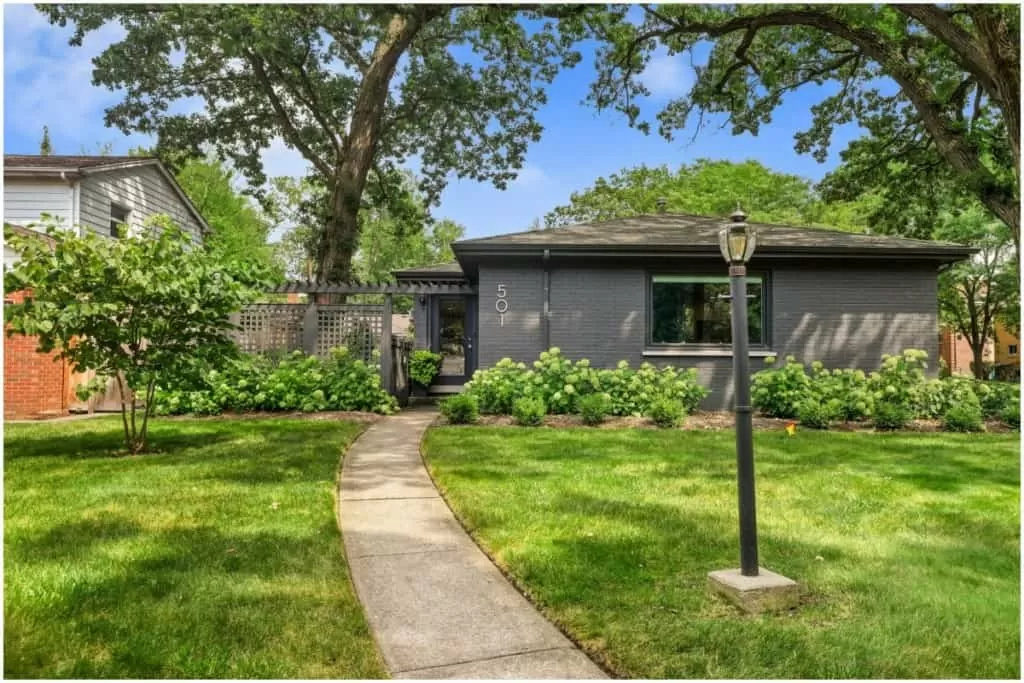
Maintaining a beautiful lawn can be a daunting task, especially when faced with common landscaping issues. However, with these easy lawn care solutions, you can keep your lawn looking fresh and vibrant year-round. From brown patches to overgrown weeds, here are 13 of the most common landscaping problems and their remedies, so your lawn stays looking spectacular.
1. Brown Patches
One of the most frustrating problems for any lawn owner is brown patches. These unsightly spots can be caused by various factors such as over-watering, under-watering, or even pet urine. To fix this issue, first, identify the cause and adjust your watering schedule accordingly. If it's due to pet urine, dilute it with water to minimize the damage. You can also use a lawn repair mixture to reseed the affected areas.
2. Overgrown Weeds
Weeds are the enemy of every lawn owner. They not only ruin the aesthetics of your lawn but also compete with your grass for nutrients and water. To tackle this issue, invest in a good quality weed killer and apply it regularly to prevent weeds from growing. You can also manually pull out the weeds, but be sure to remove the roots to prevent them from growing back.
3. Bare Spots
Bare spots can be caused by various factors, such as heavy foot traffic or poor soil quality. To fix this issue, aerate the soil to improve its quality and allow for better water and nutrient absorption. You can also overseed the bare spots to promote new grass growth. For areas with heavy foot traffic, consider creating a pathway or installing stepping stones to protect the grass.
4. Pest Infestation
Pests like grubs and worms can wreak havoc on your lawn, causing brown patches and dead spots. To prevent these pests from damaging your lawn, use an insecticide specifically designed for your type of grass. You can also use natural remedies such as neem oil or garlic spray to repel pests.
5. Faded Color
If your lawn has lost its vibrant green color, it could be due to a lack of nutrients. Fertilizing your lawn regularly can help restore its color and promote healthy growth. Use a slow-release fertilizer to prevent burning the grass. You can also use natural fertilizers such as compost or grass clippings to provide your lawn with essential nutrients.
6. Unwanted Grass Types
Different types of grass can grow in your lawn, making it look uneven and unkempt. To tackle this issue, identify the unwanted grass types and remove them manually. You can also use a selective herbicide to target specific types of grass without harming your desired grass.
7. Poor Drainage
Poor drainage can cause water to pool on your lawn, leading to brown spots and promoting the growth of pests and diseases. To improve drainage, aerate the soil and fill any low spots with topsoil. You can also install a drainage system or create a rain garden to redirect excess water away from your lawn.
8. Sun Damage
Excessive exposure to sunlight can cause your lawn to dry out and develop brown spots. To protect your lawn from sun damage, water it deeply and less frequently, especially during the hot summer months. You can also plant shade-loving grass types or install shade structures to provide your lawn with some relief from the sun.
9. Poor Soil Quality
The quality of your soil plays a significant role in the health of your lawn. To improve the soil quality, regularly aerate it, and add organic matter such as compost to provide essential nutrients. You can also conduct a soil test to determine its pH level and make adjustments accordingly.
10. Uneven Lawn
An uneven lawn can be caused by different factors, such as heavy foot traffic, poor soil quality, or inadequate mowing. To fix this issue, regularly mow your lawn at the recommended height for your grass type. You can also level out the uneven areas by adding topsoil and reseeding them.
11. Fungal Diseases
Fungal diseases can cause your lawn to develop brown spots, thin out, and even die. To prevent these diseases, avoid over-watering and remove any debris or thatch buildup. You can also use a fungicide to treat existing diseases and prevent them from spreading.
12. Compacted Soil
Compacted soil can prevent water, air, and nutrients from reaching the roots of your grass, leading to poor growth and brown patches. To tackle this issue, aerate