28 Interior Design Tips to Make Your Home Feel Effortless—and Market-Ready
Effortless design isn’t about following trends—it’s about creating a home that just works. Whether you’re settling in or getting ready to sell, the right layout...
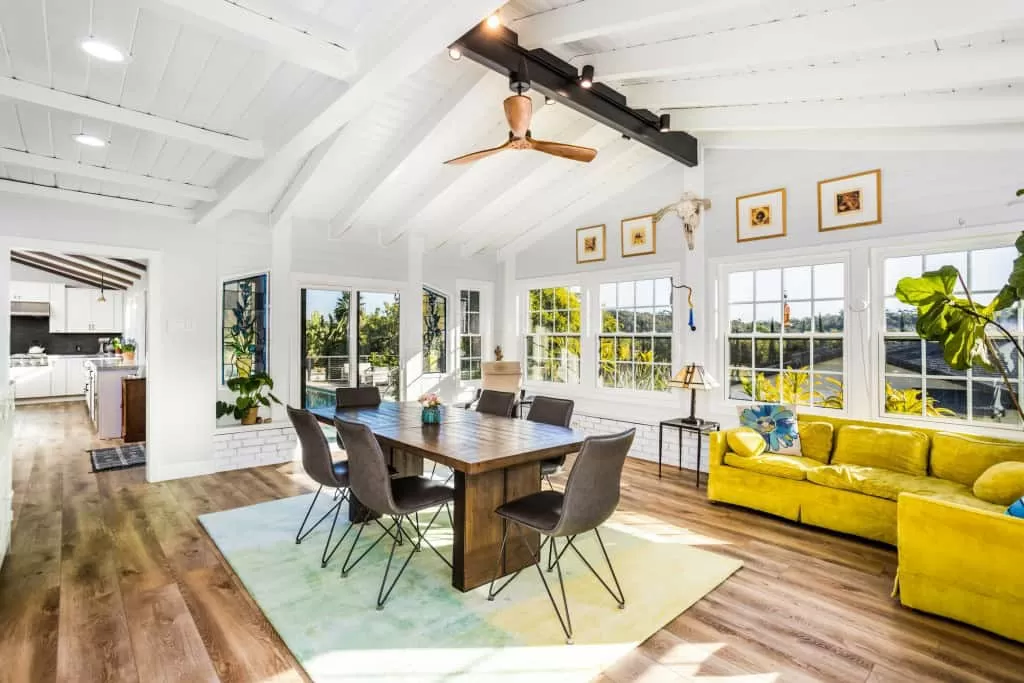
Effortless design is not just about following the latest trends, it's about creating a home that works for you. Whether you are settling in for the long haul or preparing to sell, the right layout, lighting, and flow can make all the difference in how you feel about your space. With a few small, intentional choices, you can transform your house into a home that is both functional and stylish. Here are 28 interior design tips to help you achieve an effortless and market-ready home.
1. Start with a plan
Before diving into any design project, it's important to have a plan in place. This will help you stay organized and focused on your goals. Consider your budget, timeline, and overall vision for your home.
2. Consider the flow
When designing your home, think about how you move through the space. A well-designed home should have a natural flow that makes it easy to navigate from one room to the next.
3. Let in natural light
Natural light can make a huge difference in the look and feel of a home. Make sure to maximize the amount of natural light in your space by keeping windows unobstructed and using light-colored curtains or blinds.
4. Layer lighting
In addition to natural light, it's important to have a variety of lighting options in your home. This includes overhead lighting, task lighting, and ambient lighting. Layering different types of lighting can create a warm and inviting atmosphere.
5. Choose a neutral color palette
Neutral colors are timeless and versatile, making them a great choice for any home. They also create a sense of calm and can make a space feel larger.
6. Add pops of color
While a neutral color palette is a safe choice, don't be afraid to add pops of color throughout your home. This can be done through accent pillows, rugs, or artwork.
7. Mix textures
Mixing different textures can add depth and interest to a room. Consider incorporating a variety of textures such as wood, metal, and fabric to create a visually appealing space.
8. Invest in quality furniture
Furniture is an investment, so it's important to choose pieces that are not only stylish but also well-made. Quality furniture will not only last longer but will also add value to your home.
9. Create a focal point
Every room should have a focal point, whether it's a fireplace, a piece of artwork, or a statement piece of furniture. This will draw the eye and add visual interest to the space.
10. Don't overcrowd the space
It's important to leave enough room for movement and flow in a room. Avoid overcrowding with too much furniture or accessories, as this can make a space feel cluttered and overwhelming.
11. Use mirrors strategically
Mirrors can make a room feel larger and brighter by reflecting light. Place them strategically to maximize their effect.
12. Incorporate natural elements
Bringing in natural elements such as plants, wood, or stone can add warmth and texture to a space. They also have a calming effect and can make a room feel more inviting.
13. Consider the function of each room
When designing a room, think about its intended function. This will help you make choices that are both practical and aesthetically pleasing.
14. Create a cohesive look
While each room should have its own unique style, it's important to create a cohesive look throughout your home. This can be achieved through a consistent color palette or by incorporating similar design elements.
15. Don't be afraid to mix styles
Mixing different styles can add character and personality to a space. Just make sure to balance them in a way that creates a cohesive look.
16. Declutter regularly
Clutter can make a space feel chaotic and overwhelming. Make it a habit to declutter regularly to keep your home feeling clean and organized.
17. Invest in storage solutions
Having enough storage is key to keeping your home clutter-free. Invest in storage solutions that are both functional and stylish.
18. Use rugs to define spaces
Rugs can help define different areas within a room and add warmth and texture to a space. Make sure to choose the right size and style for your room.
19. Hang curtains high
To make a room feel taller, hang curtains close to the ceiling rather than just above the window frame. This will create the illusion of higher ceilings.
20. Don't neglect the ceiling
The ceiling is often overlooked when it comes to