33 British Nationals Unaccounted for After Nepal Flash Floods
Flash floods devastate Nepal's Rasuaw region, leaving 33 UK nationals missing. At least 95 deaths reported following severe flooding and mudslides.
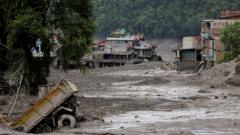
Devastating Flash Floods Strike Nepal's Rasuaw Region
Nepalese authorities have confirmed that Nepal flash floods have claimed numerous lives across the Rasuaw region, with 33 British nationals currently unaccounted for following a catastrophic natural disaster. The incident occurred on Wednesday morning when severe weather conditions triggered widespread flooding and associated mudslides across the mountainous terrain.
According to reports from Nepali police, the disaster has resulted in at least 95 confirmed deaths, making this one of the region's most severe weather-related catastrophes in recent times. Emergency response teams have been mobilized across the affected areas to search for survivors and assist displaced communities.
Impact on British Citizens and International Concerns
The disappearance of the 33 UK nationals has raised significant international concerns, prompting the British government to coordinate with Nepali authorities on search and rescue operations. Most of the missing British citizens were believed to be trekking or visiting popular tourist destinations in the region when the Nepal flash floods struck without warning.
British diplomatic officials have established communication lines with local authorities to facilitate coordinated efforts in locating the missing nationals. Preliminary information suggests that some of the missing individuals may have been caught off-guard while navigating mountain trails or staying in remote lodging accommodations.
Geographic and Environmental Factors Contributing to the Crisis
The Rasuaw region, situated in Nepal's mountainous terrain, is particularly vulnerable to flash flooding and mudslide occurrences during heavy rainfall periods. Meteorological data indicates that the area experienced unusually intense precipitation, creating dangerous conditions along river valleys and slopes.
Experts analyzing the Rasuaw region flooding have noted that geological characteristics of the area, combined with rapid snowmelt from higher elevations, created perfect conditions for the disaster. Local communities have historically experienced seasonal challenges, yet the magnitude of Wednesday's event exceeded typical weather patterns.
Emergency Response and Rescue Operations
Nepalese emergency services mobilized immediately upon receiving distress calls, deploying search and rescue teams throughout the affected region. Helicopters, rescue personnel, and medical units have been stationed strategically to address immediate needs and locate survivors among the debris.
The scale of the disaster has overwhelmed local resources, necessitating requests for international humanitarian assistance. Organizations specializing in disaster relief have begun coordinating with the Nepali government to provide medical supplies, temporary shelter materials, and technical search expertise.
Broader Implications for Natural Disasters in Nepal
This incident underscores Nepal's vulnerability to extreme weather phenomena and associated natural disasters Nepal regularly experiences. The nation's geographic position in the Himalayan region exposes it to monsoon systems and complex climatic patterns that can trigger sudden environmental emergencies.
Regional officials have emphasized the need for enhanced early warning systems and improved infrastructure designed to withstand extreme weather events. Community preparedness programs and disaster management training have been identified as critical priorities for future risk mitigation.
International Support and Relief Efforts
Following the initial reports of the disaster, several nations have expressed their willingness to provide humanitarian assistance. The international community has mobilized resources to support both search operations and recovery efforts targeting displaced populations.
Medical teams have established temporary clinics and emergency medical centers to address injuries sustained during the flooding and mudslide events. Psychological support services are also being arranged for survivors traumatized by the catastrophic experience.
Status of Missing British Nationals and Ongoing Investigation
The search for the 33 missing British casualties continues with renewed intensity as authorities systematically sweep through affected zones. Coordination between international agencies and Nepali authorities has intensified efforts to establish communication with potentially affected UK citizens.
Families of the missing individuals have been advised to maintain contact with British consulate offices for updates on rescue and recovery operations. Official statements indicate that authorities remain committed to locating survivors and providing closure to bereaved families.
The Nepal flash floods serve as a sobering reminder of nature's unpredictable power and the importance of disaster preparedness in vulnerable regions. As recovery efforts continue, attention will turn toward long-term reconstruction and implementation of enhanced safety measures to protect future generations.


