AI Changed Work Forever in 2025
Erik Brynjolfsson, director of the Stanford Digital Economy Lab breaks down how AI is disrupting work.
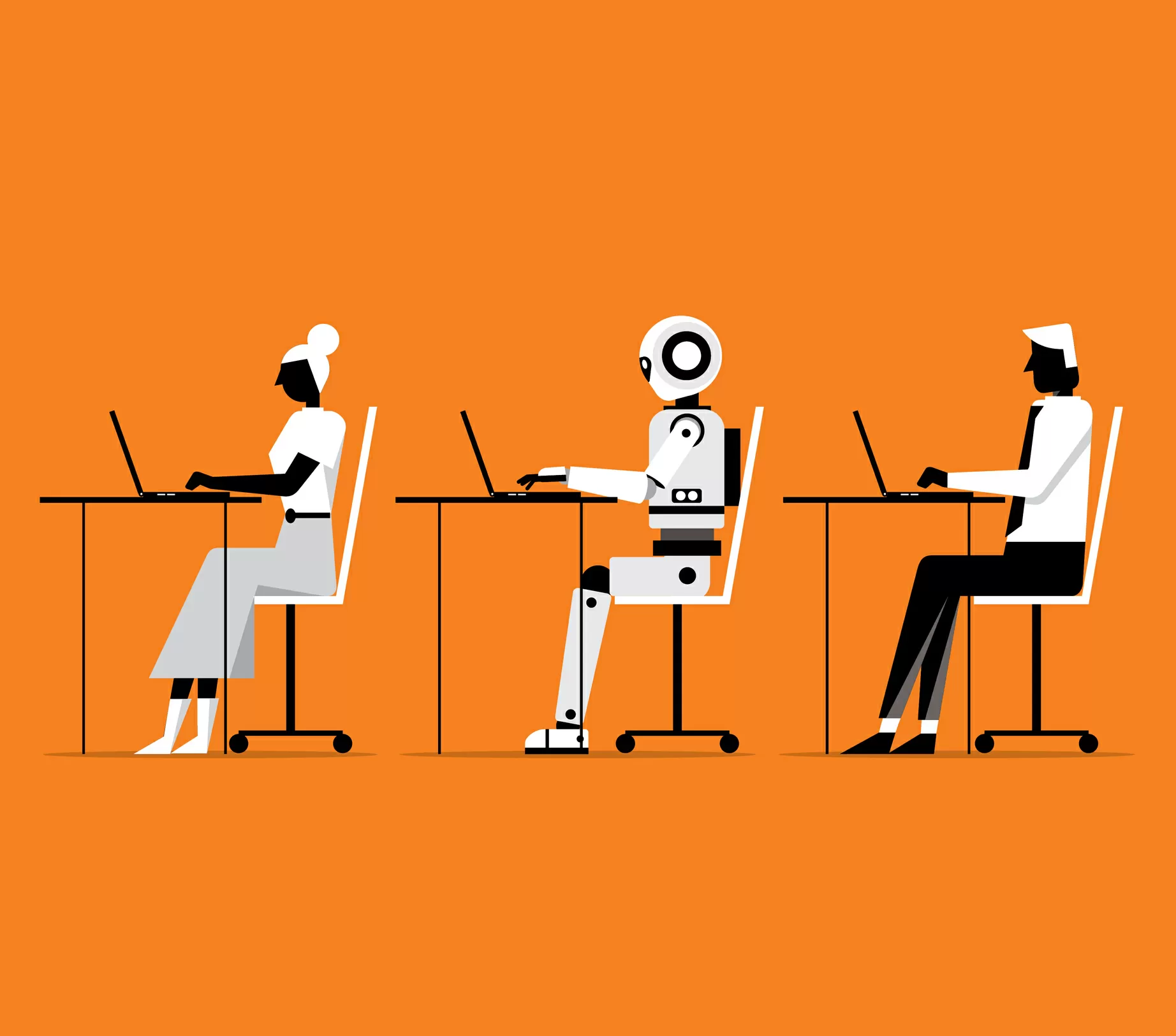
In today's rapidly evolving digital landscape, it's no secret that artificial intelligence (AI) is transforming the way we work. From self-driving cars to virtual assistants, AI is becoming increasingly integrated into our daily lives. But what does this mean for the future of work? According to Erik Brynjolfsson, director of the Stanford Digital Economy Lab, AI is disrupting work in ways we never thought possible.
Brynjolfsson, a renowned economist and professor at Stanford University, has been studying the impact of technology on the economy for over two decades. In his latest research, he delves into the world of AI and its effects on the workforce. In an interview with Forbes, Brynjolfsson breaks down how AI is disrupting work and what it means for the future.
One of the main ways AI is disrupting work is through automation. With the advancements in AI technology, machines are now able to perform tasks that were once thought to be exclusive to humans. This includes everything from data analysis to customer service. As a result, many jobs that were traditionally done by humans are now being replaced by machines.
But Brynjolfsson believes that this is not necessarily a bad thing. In fact, he argues that AI is creating more jobs than it is replacing. "We've seen this pattern over and over again throughout history," he says. "New technologies create new jobs and industries that we couldn't have even imagined before."
He points to the rise of the internet as an example. When the internet first emerged, many feared that it would lead to widespread unemployment. However, it actually created millions of new jobs in fields such as web development, social media management, and e-commerce. Similarly, Brynjolfsson believes that AI will create new job opportunities in fields such as data science, machine learning, and AI programming.
Another way AI is disrupting work is by changing the skills required for certain jobs. As machines take over more routine and repetitive tasks, humans will need to develop new skills to stay relevant in the workforce. This means that workers will need to continuously upskill and adapt to the changing job market.
But Brynjolfsson believes that this is a positive development. He argues that AI will free up humans to focus on more creative and complex tasks, allowing us to use our unique abilities and skills. "AI is not going to replace humans, it's going to augment them," he says. "It will allow us to do things that we couldn't do before and create new opportunities for growth and innovation."
However, Brynjolfsson also acknowledges that there will be challenges in this transition. One of the main concerns is the potential for job displacement. As machines take over more jobs, many workers may find themselves without employment. This is why Brynjolfsson stresses the importance of investing in education and training programs to help workers adapt to the changing job market.
He also emphasizes the need for policies that support workers during this transition. This includes things like unemployment benefits, retraining programs, and a social safety net. "We need to make sure that the benefits of AI are shared by everyone, not just a select few," he says.
Despite these challenges, Brynjolfsson remains optimistic about the future of work. He believes that AI has the potential to create a more efficient and productive workforce, leading to economic growth and prosperity. "We are at the beginning of a new era of work," he says. "And with the right policies and investments, we can ensure that AI benefits everyone."
In conclusion, Erik Brynjolfsson's research sheds light on the ways in which AI is disrupting work. While there are certainly challenges that come with this disruption, Brynjolfsson believes that the benefits far outweigh the risks. As we continue to embrace AI and its capabilities, it's important to remember that it is not a replacement for humans, but rather a tool to enhance our abilities and create new opportunities. With the right approach, AI has the potential to revolutionize the way we work and lead us into a brighter future.