AI Detects Heart Disease in Women via Mammograms
Artificial intelligence technology now identifies heart disease in women using routine mammography scans. Study shows breast cancer screenings can detect cardio...
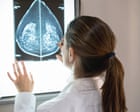
Breakthrough in Cardiovascular Screening Technology
A significant advancement in medical imaging has emerged as AI detects heart disease in women through analysis of standard mammography scans. Researchers have successfully developed an artificial intelligence system capable of identifying multiple cardiovascular conditions during routine breast cancer screenings, potentially transforming how healthcare providers approach women's health diagnostics.
This innovative approach addresses a critical gap in healthcare delivery. Heart disease remains the leading cause of mortality among women worldwide, yet it frequently goes undiagnosed during standard medical evaluations. By leveraging existing screening infrastructure and advanced computational analysis, medical professionals can now identify cardiovascular risk factors without requiring additional specialized testing.
How the AI System Works
The research team utilized sophisticated artificial intelligence algorithms to analyze mammographic images. These scans, typically performed for breast cancer detection, contain valuable information about the chest cavity and surrounding tissues. The AI technology processes these images to identify markers associated with cardiovascular disease.
Researchers demonstrated that this system could successfully detect several conditions including coronary heart disease, elevated blood pressure patterns, and evidence of prior cerebrovascular events. The mammogram analysis provides clinicians with additional diagnostic information beyond its primary purpose of cancer screening.
Clinical Implications for Women's Healthcare
The convergence of cancer screening and cardiovascular assessment represents a significant advancement in preventive medicine. Women undergoing routine mammography examinations could receive comprehensive health evaluations in a single appointment. This efficiency addresses the underdiagnosis problem that has historically affected women seeking cardiovascular care.
Medical professionals have long recognized that symptoms of heart disease in women differ from those commonly experienced by men. This diagnostic gap has contributed to delayed treatment and higher mortality rates. By integrating AI detection into existing screening protocols, healthcare systems can better serve female patients.
Addressing the Women's Heart Disease Gap
Heart disease affects women at comparable rates to men, yet receives significantly less attention in clinical practice and medical research. The underdiagnosis of cardiovascular conditions in women stems from multiple factors including symptom variability, healthcare provider bias, and limited screening opportunities. This study suggests that AI detects heart disease in women more effectively when integrated into routine examinations.
The research highlights how technological innovation can address long-standing healthcare disparities. Rather than requiring separate, costly cardiovascular screening protocols, women can benefit from enhanced analysis of imaging already performed for cancer detection purposes.
Validation and Research Methodology
The study involved comprehensive analysis of mammographic data using machine learning models trained on extensive datasets. Researchers validated the AI system's performance across diverse patient populations to ensure reliability and generalizability. The artificial intelligence demonstrated strong accuracy rates in identifying both symptomatic and asymptomatic cardiovascular conditions.
Medical experts emphasize that this application represents a significant step forward in evidence-based screening methodology. The integration of advanced computational analysis with established medical imaging practices creates synergistic benefits for patient care and disease prevention.
Future Implementation and Clinical Practice
Healthcare institutions are now evaluating integration strategies for this AI technology into existing mammography facilities and radiological workflows. Implementation would require training radiologists and pathologists to interpret the enhanced diagnostic information provided by artificial intelligence systems.
The broader implications extend beyond immediate clinical application. This success demonstrates how artificial intelligence can enhance existing medical infrastructure without requiring substantial additional resources or patient inconvenience. Other routine screening procedures may similarly benefit from advanced computational analysis capabilities.
Experts predict widespread adoption could substantially reduce cardiovascular disease mortality among women by enabling earlier intervention and preventive treatment strategies. As AI technology continues advancing, integrated screening approaches may become standard practice across healthcare systems globally.