Andy Burnham Demands Cabinet Review Cost of Living Solutions
Prime Minister Andy Burnham pressures cabinet to explore comprehensive strategies for the cost of living crisis amid funding concerns and policy scrutiny.
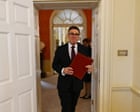
Prime Minister Launches Cost of Living Strategy Initiative
Andy Burnham has intensified efforts to address the ongoing cost of living crisis, calling upon his cabinet members to thoroughly investigate "all available approaches" for tackling this pressing economic challenge. During his inaugural complete day as Prime Minister, Burnham emphasized the urgency of developing comprehensive solutions to the cost of living crisis affecting millions of British households.
The administration has framed itself as a "cost of living government," signaling a commitment to prioritizing economic relief measures. However, this ambitious agenda has sparked significant debate regarding the financial mechanisms required to implement such wide-ranging policy initiatives.
Scrutiny Over Funding and Resource Allocation
Questions surrounding the financial viability of government proposals have mounted considerably. Critics and political observers have raised legitimate concerns about where substantial funds will originate to support the outlined plans addressing the cost of living crisis. The government faces considerable pressure to articulate clear, sustainable funding strategies.
Among the key proposals generating fiscal scrutiny is the planned elimination of VAT from electricity bills. This measure would represent a significant intervention in household energy costs, yet requires substantial government revenue reallocation. The removal of this consumption tax would necessitate alternative funding sources to maintain government operations and service delivery across other sectors.
Defence Spending and Political Tensions
Additional strain on the budget emerges from anticipated increases in defence spending allocations. This commitment to bolstering military expenditure has already created notable political friction within the new administration, demonstrating the challenging balance between multiple policy priorities and financial constraints.
John Healey, the newly appointed Chancellor of the Exchequer, previously resigned from his position as defence secretary under Keir Starmer's leadership. His resignation occurred just last month, specifically due to disagreements regarding defence spending levels and budget priorities. This recent departmental shift highlights the contentious nature of defence investment decisions and their implications for government finances.
Cabinet-Wide Examination of Economic Solutions
The Prime Minister's directive to cabinet members signals a comprehensive, government-wide approach to addressing the cost of living crisis. By instructing senior officials to examine all feasible methodologies and potential solutions, Burnham seeks to build consensus around difficult budgetary decisions. This inclusive strategy aims to generate alternative proposals and identify creative financing mechanisms that could support the administration's economic agenda.
Cabinet members now face the responsibility of identifying innovative approaches, potential cost efficiencies, and possible revenue sources that could fund promised interventions without compromising other essential government programs. The thoroughness of this internal review could determine the credibility and viability of the government's economic platform moving forward.
Implications for Household Energy and Economic Relief
The proposed VAT removal from electricity represents one of the most visible elements of the cost of living crisis response strategy. Energy bills have emerged as a particular concern for British households, with many families struggling with significantly increased utility costs. Targeting this specific area demonstrates government recognition of energy affordability as a central component of broader economic hardship.
However, the implementation of such measures requires careful financial planning and realistic assessment of budgetary constraints. The government must balance the genuine need to provide relief to struggling households against the practical limitations of available financial resources.
Political Pressure and Public Expectations
As the administration embarks on addressing the cost of living crisis, Burnham faces mounting political pressure from multiple directions. Opposition parties will scrutinize every budgetary proposal, while the public expects tangible economic improvements and relief from rising living expenses.
The Prime Minister's emphasis on cabinet-level review suggests awareness of these mounting pressures and the necessity for robust, well-considered solutions. By involving senior government figures in developing comprehensive strategies, the administration demonstrates commitment to addressing the cost of living crisis through collaborative problem-solving approaches.
Government Accountability and Financial Transparency
Moving forward, the government must maintain transparency regarding funding sources and implementation timelines for cost of living crisis interventions. Public confidence depends upon clear communication about how policies will be financed and when residents can expect tangible benefits. The cabinet's detailed examination of available options should ultimately produce defensible, evidence-based proposals that withstand political and public scrutiny while genuinely addressing economic hardship experienced across British society.