Bondi Beach and the Shadow of the Islamic State
The Bondi beach attack in Australia sits at the intersection of growing antisemitism, fractured social cohesion, enduring influence of Islamic State ideology, a...
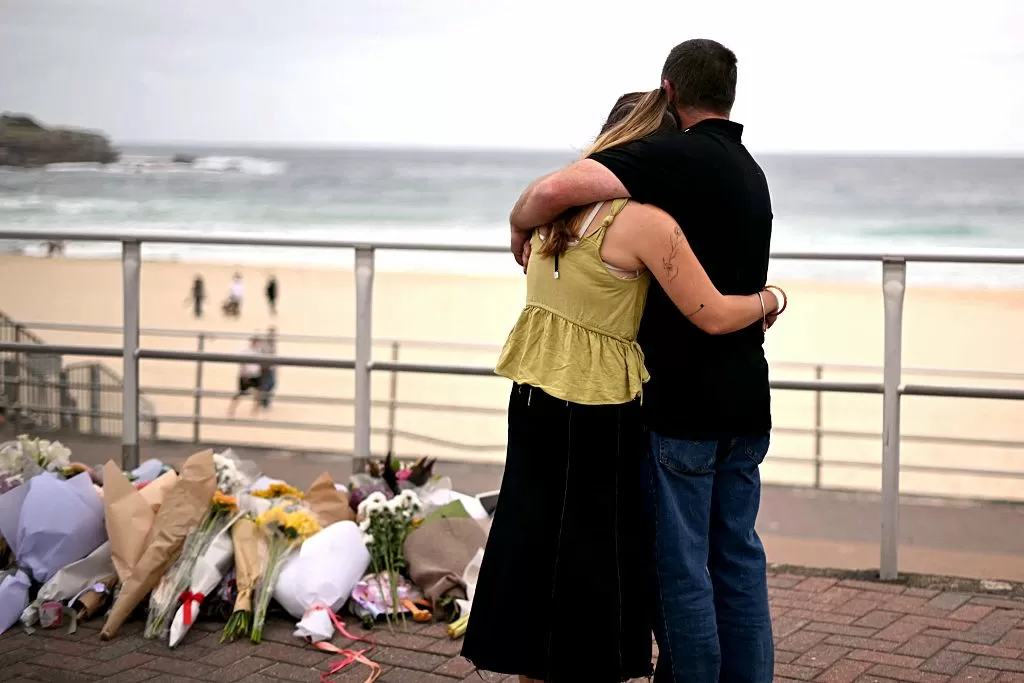
The recent attack on Bondi beach in Australia has sent shockwaves through the country and the world. What was supposed to be a peaceful day at the beach turned into a nightmare for many, as a group of men wielding knives and shouting anti-Semitic slurs attacked a group of Jewish men. This incident has brought to light the intersection of several pressing issues in Australia, including growing antisemitism, fractured social cohesion, the enduring influence of Islamic State ideology, and mishandling by the government.
Antisemitism, or hatred and discrimination towards Jews, has been on the rise globally in recent years. Australia is no exception, with a reported 30% increase in antisemitic incidents in 2019 alone. This alarming trend is a cause for concern, as it not only affects the Jewish community but also poses a threat to the social fabric of the country. The attack at Bondi beach is a clear manifestation of this growing trend, and it is a wake-up call for all Australians to address this issue.
The attack also highlights the fractured social cohesion in Australia. In a country known for its multiculturalism and diversity, incidents like this remind us that there are still deep-rooted divisions and prejudices within our society. The fact that a group of men felt emboldened enough to attack others based on their religion is a reflection of the lack of unity and understanding among different communities. It is essential for all Australians to come together and promote inclusivity and acceptance to prevent such incidents from happening in the future.
The enduring influence of Islamic State (IS) ideology is another factor that cannot be ignored in this attack. The attackers were reportedly influenced by IS propaganda and had pledged allegiance to the terrorist group. While IS may have lost its physical caliphate, its ideology continues to spread and radicalize individuals around the world. The attack at Bondi beach is a stark reminder that the threat of terrorism is still very much present, and we must remain vigilant in countering extremist ideologies.
However, what is equally concerning is the mishandling of the situation by the government. The Jewish community has long voiced their concerns about the rise of antisemitism in Australia, but their calls for action have largely been ignored. The government's failure to address this issue has only allowed it to fester and culminate in the attack at Bondi beach. It is imperative for the government to take a strong stance against antisemitism and implement measures to combat it effectively.
In the aftermath of the attack, there has been an outpouring of support and solidarity from the Australian community. This response is heartening and shows that the majority of Australians reject hatred and violence towards any community. However, it is not enough to simply condemn the attack and move on. We must use this incident as a catalyst for change and work towards building a more inclusive and harmonious society.
The Jewish community in Australia has been an integral part of the country's fabric for over 200 years. They have made significant contributions to various fields and have enriched the cultural diversity of Australia. It is unacceptable that they should feel unsafe and targeted in their own country. As a nation, we must stand together and denounce all forms of discrimination and hate.
In conclusion, the Bondi beach attack in Australia is a wake-up call for all of us. It highlights the urgent need to address growing antisemitism, promote social cohesion, counter extremist ideologies, and demand action from the government. Let us use this incident as an opportunity to come together and build a stronger, more united Australia, where all communities can live in peace and harmony. We owe it to ourselves and future generations to create a society free from hatred and violence.