British Steel Costs Soar: Government Watchdog Demands Clear Strategy
Government spending watchdog warns of rising costs for publicly-owned British Steel. Labour faces pressure to develop credible plan as financial burden grows wi...
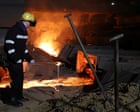
Growing Financial Burden Raises Concerns Over British Steel Future
British Steel costs continue to escalate dramatically, prompting urgent calls from government authorities for a comprehensive strategic plan. The Office for Budget Responsibility has issued a stark warning regarding the mounting expenditure required to maintain the struggling steelmaker in operation, with no definitive resolution timeline established.
The manufacturing company entered public ownership during July to safeguard domestic steel production capacity. This intervention followed earlier emergency measures taken 15 months prior, when government funds were deployed to prevent the complete shutdown of the Scunthorpe facility and protect approximately 4,000 jobs from redundancy.
Labour Under Pressure to Address Steel Crisis
Political pressure intensifies as Labour government ministers face mounting scrutiny over their handling of this critical industrial asset. The spending watchdog's assessment characterizes the financial implications as "startling," underscoring the severity of the situation facing policymakers and industry stakeholders.
British Steel costs represent a significant portion of government expenditure, and officials warn that without a coherent long-term strategy, the financial implications could become unsustainable. The absence of a clear endpoint for government intervention raises fundamental questions about the viability of the current approach and the broader future of steel manufacturing in Britain.
Strategic Planning Requirements for Public Steel Producer
Government authorities have explicitly urged Labour leadership to present a credible blueprint addressing multiple critical dimensions of the challenge. This plan must encompass financial sustainability, operational efficiency improvements, workforce development, and market competitiveness within the global steel industry context.
The Scunthorpe steelworks represents a crucial industrial facility for regional employment and national manufacturing capacity. Protecting this installation from closure required decisive government intervention, yet ongoing subsidization without strategic direction creates uncertainty for investors, employees, and communities dependent on steel sector activities.
Public Ownership Model and Financial Sustainability
British Steel costs escalation reflects the complex realities of maintaining a large-scale manufacturing operation during challenging market conditions. The government's decision to assume full ownership was justified by protecting productive capacity and employment, yet this approach necessitates rigorous financial planning and operational optimization strategies.
Industry observers note that the current trajectory requires urgent reassessment. Maintaining British Steel without establishing clear performance benchmarks and timelines for profitability creates fiscal risks and complicates parliamentary oversight of public expenditure. The spending watchdog's concerns reflect broader questions about resource allocation and the appropriate role of government in industrial sectors.
Path Forward: Developing Credible Strategy
Creating a viable strategy for British Steel costs management demands comprehensive analysis of market opportunities, technological modernization requirements, and organizational restructuring possibilities. Government officials must engage stakeholders including workforce representatives, industry experts, financial analysts, and regional development authorities.
The credible plan must address whether the facility can achieve commercial viability through efficiency improvements, product diversification, or strategic market positioning. Alternatively, policymakers must consider alternative approaches for sustaining this critical manufacturing asset while managing public finances responsibly.
British Steel costs represent more than financial figures; they reflect broader questions about Britain's industrial future and government commitment to manufacturing sectors. Labour's response to these challenges will significantly influence confidence in public sector industrial policy and the viability of state-owned enterprises within contemporary economic frameworks.