Can Your Boss Control Your Summer Wardrobe Dress Code?
Discover your rights regarding summer dress codes at work. Learn what employers can require and how to style professionally while staying cool.
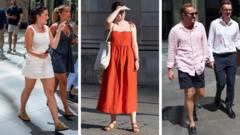
Understanding Your Rights: Summer Dress Code at Work
The question of whether your employer can dictate your summer dress code at work remains a common workplace concern. As temperatures rise and employees seek comfort during warmer months, tensions between personal style preferences and corporate dress code policies often surface. Understanding the legal boundaries and practical considerations surrounding summer dress code at work can help you navigate this issue confidently while maintaining both professionalism and comfort.
Employers do have legitimate rights to establish dress codes that reflect their brand image and maintain professional standards. However, these policies must be reasonable, consistently enforced, and cannot discriminate based on protected characteristics such as gender, race, religion, or disability. The summer dress code at work must balance company interests with employee comfort and dignity.
What Employers Can and Cannot Require
When establishing a summer dress code at work, employers operate within certain legal parameters. They can require professional attire appropriate to their industry, prohibit clothing with offensive language or imagery, and enforce standards that maintain a consistent corporate image. Financial institutions, law firms, and client-facing businesses typically maintain stricter summer dress code at work standards than creative industries or tech companies.
What employers cannot do is impose dress codes that disproportionately burden one gender over another. For example, requiring women to wear makeup or prohibiting men from wearing shorts while allowing women to wear short skirts violates employment discrimination laws. Similarly, dress codes cannot restrict religious attire, such as headscarves or religious jewelry, or discriminate against employees with disabilities who may need accommodations in their clothing choices.
The Rise of Business Casual and Flexible Summer Dress Code Policies
Modern workplaces increasingly recognize that rigid summer dress code at work policies can impact employee morale and productivity. Many organizations have shifted toward business casual standards during summer months, allowing employees greater flexibility while maintaining a professional appearance. This evolution reflects changing workplace cultures and the understanding that comfort during hot weather doesn't necessarily compromise professionalism.
Business casual typically permits collared shirts, dress pants or professional shorts, and closed-toe shoes. Some progressive companies now allow employees to wear strappy tops, sandals, and shorts on casual Fridays or throughout summer months. These flexible approaches to summer dress code at work tend to result in higher employee satisfaction without sacrificing workplace professionalism.
Industry-Specific Considerations
The appropriateness of specific summer dress code at work items varies significantly by industry. Customer service representatives, healthcare workers, and professionals in client-facing roles may face stricter requirements than those in back-office positions. A software developer working remotely faces entirely different summer dress code at work expectations than a bank teller or courtroom attorney.
Creative industries including advertising, design, and media typically maintain more relaxed summer dress code at work standards. Conversely, conservative sectors such as law, finance, and government tend to enforce more stringent dress codes year-round, including during summer months. Understanding your specific industry norms helps set realistic expectations about your summer dress code at work situation.
Navigating Conversations About Your Summer Dress Code at Work
If you believe your employer's summer dress code at work policy is unfair, discriminatory, or unreasonably strict, professional communication is essential. Request a meeting with your human resources department or supervisor to discuss the policy respectfully. Come prepared with specific concerns and suggestions for reasonable modifications to your summer dress code at work.
Document any instances where the summer dress code at work appears to be enforced inconsistently, particularly if enforcement disproportionately affects certain groups of employees. Present evidence-based arguments, such as productivity studies or examples from comparable companies, to support your case for a more flexible summer dress code at work policy.
Styling for Success While Staying Cool
Regardless of your employer's specific summer dress code at work requirements, you can maximize comfort without compromising professionalism. Invest in lightweight fabrics such as cotton, linen, and breathable synthetics that regulate temperature effectively. Choose neutral colors that reflect heat and provide versatile styling options within your summer dress code at work guidelines.
Strategic layering, even in summer, helps you adapt to varying office temperatures while maintaining compliance with your summer dress code at work. Lightweight cardigans, structured blazers, and professional accessories allow you to express personal style within workplace parameters. Prioritize proper grooming, well-fitting garments, and quality footwear as these elements significantly impact how any summer dress code at work ensemble appears.
Legal Protections and When to Seek Help
If you experience discrimination based on your attempt to follow a summer dress code at work policy, or if your employer's policy itself violates anti-discrimination laws, document everything and consult with an employment attorney. Many jurisdictions provide legal protections regarding workplace dress codes, and understanding your rights ensures you can address unfair summer dress code at work situations appropriately.
Resources including the Equal Employment Opportunity Commission (EEOC) offer guidance on legal summer dress code at work standards and can investigate complaints of discrimination. Your rights regarding summer dress code at work are protected, and employers cannot retaliate against employees for questioning unlawful policies or requesting reasonable accommodations.
Moving Forward: Finding Your Balance
The relationship between employee choice and employer requirements regarding summer dress code at work continues evolving. Forward-thinking organizations recognize that reasonable flexibility in summer dress code at work policies enhances employee satisfaction and retention without compromising professional standards. As you navigate your own summer dress code at work situation, remember that your comfort and dignity matter while acknowledging legitimate business interests in maintaining professional workplace standards.