Child's Fall from London Tower: Inquest Reveals Safety Gaps
Inquest reveals safety gaps in London tower block where five-year-old Aalim Ahmed fell from 15th-floor window. Family had requested relocation from temporary ho...
Inquest Reveals Safety Concerns in London Tower Block Incident
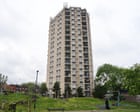
A comprehensive inquest into the tragic death of five-year-old Aalim Ahmed has highlighted critical gaps in London tower block safety protocols. The young boy fell from a 15th-floor kitchen window at a residential building in Plaistow, east London, on May 16, 2024. Legal proceedings have now brought to light that additional safeguarding measures could have prevented this devastating incident at the property where the child's family had previously requested relocation.
The inquest proceedings examined multiple aspects of the residential building's safety infrastructure and maintenance standards. Experts and officials testified that the London tower block safety situation at the property fell short of optimal protective measures. The family's residence was part of temporary social housing accommodation provided by local authorities, making the safety failures particularly concerning given the vulnerable nature of temporary housing arrangements.
Background of the Tragic Incident
Aalim Ahmed was an autistic child living with his family in the temporary accommodation unit. On the morning of his death, his father, Makail Ahmed, discovered the boy's body shortly before 6am after he had fallen from the kitchen window located on the 15th floor. The discovery came after the father rushed from the residential unit upon realizing his son had accessed the window.
The family's circumstances preceding this tragedy are particularly significant. Prior to the fatal incident, Aalim Ahmed's parents had formally requested that they be moved from the tower block accommodation. These requests appear to have been made out of concern for their child's safety within the facility, raising questions about whether adequate attention was paid to the family's expressed concerns.
Safety Deficiencies Identified During Inquest
During the inquest proceedings, multiple witnesses provided testimony regarding the structural and administrative shortcomings that existed at the residential building. Safety experts noted that window protection mechanisms, which are standard features in many modern residential blocks, were either absent or inadequate at the Plaistow location.
The London tower block safety review highlighted that additional measures could have included window restrictors, safety catches, or enhanced supervision protocols specifically designed for residents with additional needs. The inquest heard that such protective installations are relatively common practice in modern housing developments and represent industry-standard safety protocols.
Temporary Housing and Vulnerability Factors
The fact that this incident occurred in temporary social housing accommodation adds another layer of complexity to the case. Temporary housing arrangements often present unique challenges, as families may spend limited time acclimating to their environments and understanding specific hazards within individual units.
For families with autistic children or other vulnerable household members, these temporary arrangements present heightened risks. The inquest proceedings examined whether sufficient consideration was given to the specific needs of families with additional requirements when placing them in high-rise temporary accommodation.
Questions Around Administrative Response
The inquest also addressed the significance of the family's previous requests for relocation from the tower block. Questions were raised about whether these concerns were documented, assessed, and prioritized appropriately by the local housing authorities responsible for temporary accommodation management.
Officials and housing administrators provided explanations regarding the processes in place for handling relocation requests. However, the inquest evidence suggests that the urgency and merit of the family's concerns may not have been fully appreciated or acted upon with sufficient speed.
Implications for Building Safety Standards
This case involving the London tower block safety failures will likely influence future policy discussions regarding residential building standards, particularly for temporary housing used by vulnerable families. The inquest findings provide important documentation of how preventable measures could have protected a young life.
Safety experts and housing advocates have long emphasized that window safety devices are relatively inexpensive installations that can dramatically reduce the risk of falls, particularly in households with young children or residents with conditions that may affect judgment or spatial awareness.
Moving Forward: Safety Recommendations
As the inquest process concludes, recommendations typically emerge regarding improvements to building safety standards and administrative procedures. These recommendations will likely address both physical modifications to residential units and enhanced assessment protocols for families with additional support needs.
The tragic death of Aalim Ahmed and the subsequent inquest examination serve as a stark reminder of the importance of comprehensive safety approaches in residential buildings, particularly those providing temporary accommodation to vulnerable populations. The case underscores the critical need for proactive safety measures rather than reactive responses to incidents.