China Criticizes Fresh US Sanctions Targeting Iran and Trade Partners
China denounces new US sanctions on Iran, warning of isolationist trade policies that threaten economic relationships with Beijing and other nations engaging in...
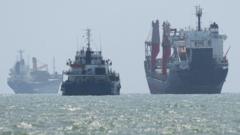
China Denounces New US Sanctions Framework
Beijing has issued a formal condemnation regarding fresh US sanctions on Iran, signaling growing friction between Washington and Chinese authorities over economic policies affecting international trade. The US sanctions on Iran represent an escalation in America's efforts to restrict commerce with the Islamic Republic, a nation that maintains significant petroleum export relationships with multiple countries worldwide.
The dispute centers on the United States' determination to enforce what it characterizes as penalties against nations maintaining business activities with Iranian entities. This approach has drawn sharp criticism from Beijing, which views such measures as overreaching attempts to dictate global trade patterns and interfere with sovereign economic decisions.
Iran-China Oil Trade at Center of Dispute
A substantial portion of Iran's crude oil exports flows directly to Chinese refineries and energy companies, representing a critical component of China's energy security strategy. The Asian economic powerhouse depends on diversified fuel sources, and Iranian petroleum has become increasingly important to China's industrial operations and power generation infrastructure.
Chinese officials argue that their nation's transactions with Iran constitute legitimate commercial activity protected under international law and established trade protocols. Beijing maintains that external pressure to abandon profitable business relationships contradicts fundamental principles of free market economics and national sovereignty.
American Isolation Strategy Under Scrutiny
The United States has made explicit threats to isolate any country or entity that continues conducting business with Tehran. Washington contends that stringent enforcement measures remain necessary to pressure Iran regarding its nuclear program and alleged support for regional militant organizations. However, this confrontational strategy increasingly faces resistance from major economies seeking independent foreign policy determination.
The sanctions framework extends beyond Iran itself, creating secondary consequences for international corporations and governmental entities willing to engage in commerce with the Persian nation. Companies operating across multiple jurisdictions now face difficult decisions regarding participation in Iranian markets versus maintaining access to American financial systems.
Broader Implications for Global Trade Relations
China's vocal opposition to the fresh US sanctions on Iran reflects deeper anxieties about American unilateral decision-making affecting worldwide economic structures. Beijing perceives Washington's approach as establishment of precedent for imposing extraterritorial economic penalties on nations refusing to comply with American foreign policy objectives.
Other trading nations have similarly expressed concern about the expanding scope of American economic coercion mechanisms. European Union members, India, and other significant economies have quietly maintained business activities with Iran despite American objections, suggesting limited effectiveness of isolation strategies.
Strategic Implications for Beijing and Washington
The confrontation over US sanctions on Iran represents another flashpoint in deteriorating China-America relations characterized by trade disputes, technology competition, and geopolitical rivalry. Beijing's defense of Iranian commerce connections demonstrates its unwillingness to subordinate economic interests to American strategic preferences in Middle Eastern affairs.
Chinese government spokespersons have characterized the sanction regime as counterproductive to international stability and destabilizing to regional security frameworks. Officials assert that diplomatic engagement provides superior alternatives to economic punishment in addressing legitimate security concerns.
Looking Forward: Unresolved Tensions
Absent significant policy shifts in Washington, tensions between China and the United States regarding Iran sanctions appear likely to intensify further. Beijing shows no indication of reducing petroleum imports from Iranian suppliers or severing commercial relationships despite American pressure campaigns. The dispute underscores fundamental disagreements between major powers regarding legitimate exercise of economic leverage and appropriate spheres of international authority.


