England's Drought Crisis: Over Half the Country Faces Water Shortage
Over half of England experiences severe drought conditions due to exceptional heat and dry weather. The Environment Agency declares widespread water shortages a...
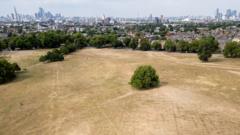
England Drought: Widespread Water Crisis Declared
The England drought situation has reached critical levels as the Environment Agency officially declares that more than half the nation faces severe water shortages. This unprecedented declaration comes after an exceptionally hot and dry period that has significantly impacted vital water resources, agricultural production, and natural ecosystems across the country.
The Scope of the Water Crisis
The England drought now affects numerous regions, with the Environmental Agency confirming that the affected areas cover more than 50% of the country's territory. This extensive drought situation represents one of the most significant water crises in recent years, prompting urgent action from environmental authorities and water companies. The declaration reflects the severity of conditions that have persisted throughout the exceptionally hot season.
Impact on Rivers and Water Systems
Rivers across the nation are experiencing dramatically reduced water levels due to the ongoing England drought. This decline in river water levels creates serious concerns for aquatic ecosystems, as reduced flows affect fish populations and other wildlife that depend on healthy river systems. The drought conditions have caused notable changes in water availability, with some watercourses reaching levels not seen in decades. Environmental scientists warn that prolonged river depletion could result in long-term damage to freshwater biodiversity and ecosystem health.
Agricultural and Environmental Consequences
Farmers and landowners throughout affected regions report substantial crop damage attributed to the England drought. Sustained dry conditions and excessive heat have stressed crops during critical growth periods, resulting in reduced yields and increased production costs. Beyond agriculture, the drought threatens numerous plant and animal species that rely on adequate moisture and water availability. Wildlife habitats face degradation as water sources diminish, forcing animals to migrate or adapt to increasingly harsh conditions.
Natural Environment Under Stress
The broader natural environment suffers considerably under drought stress. Forests, woodlands, and grasslands face increased wildfire risk as vegetation becomes drier and more flammable. Wetlands and natural water bodies shrink, eliminating critical habitats for amphibians, birds, and insects. The England drought presents cascading environmental challenges that extend far beyond simple water shortage concerns, affecting the delicate balance of ecosystems nationwide.
Government and Agency Response
The Environment Agency's official drought declaration signals recognition of the crisis's severity and triggers established emergency protocols. Water companies and local authorities are implementing conservation measures, issuing water-use restrictions, and planning infrastructure investments to address immediate needs. The drought declaration enables coordinated responses across multiple agencies and provides legal framework for implementing emergency water management strategies.
Water Conservation Measures
Public awareness campaigns encourage residents to reduce water consumption during the England drought period. Hosepipe bans and irrigation restrictions have been implemented in affected regions to preserve essential water supplies. Businesses and industries are adjusting operations to minimize water usage, while water companies work to minimize leakage from distribution systems. These collective conservation efforts aim to stretch available water supplies through the extended dry period.
Looking Forward: Long-term Implications
The England drought raises important questions about climate resilience and water management infrastructure for future decades. Environmental experts highlight the need for enhanced water storage capacity, improved irrigation efficiency, and sustainable land management practices. The crisis demonstrates vulnerability in current water supply systems and emphasizes importance of proactive planning for increasingly variable weather patterns.
As the England drought continues affecting millions of residents and extensive areas of countryside, authorities maintain vigilance regarding evolving conditions. Regular monitoring of precipitation patterns, groundwater levels, and river flows informs ongoing management decisions. The situation underscores interconnected nature of water systems and their critical importance to agriculture, industry, and environmental health throughout the country.


