Far-Right Group Threatens Return to Dover Unless Police Intervene
Masked vigilantes blockade Dover in anti-immigration protest. Far-right Patriot Platform warns of further disruption if police inaction continues. Campaigners c...
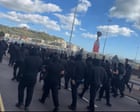
Dover Vigilantes Protest Escalates Amid Concerns of Recurring Disruption
A coordinated demonstration by organized Dover vigilantes wearing black clothing and face coverings has prompted serious warnings from political figures and civil society organizations. The group responsible for the action has publicly stated it will mobilize again if authorities fail to take decisive measures against their activism, creating ongoing tensions around the port city's operations and public order.
The anti-immigration organization claiming credit for the Dover vigilantes blockade, known as Patriot Platform, represents one of the most coordinated mobilizations of far-right activism in recent months. The group explicitly frames itself as defending national interests, adopting nationalist rhetoric that emphasizes what members describe as patriotic commitment to their country's future and border security policies.
Patriot Platform and Far-Right Mobilization Tactics
According to a statement from Hope Not Hate's leadership, the far-right linked organization has demonstrated concerning organizational capabilities to assemble supporters quickly and execute large-scale disruptive actions. The founder of Hope Not Hate attributes this ability to what he characterizes as insufficient police response and enforcement gaps that have allowed the group to operate with apparent impunity.
Patriot Platform's emergence as a significant actor in anti-immigration activism reflects broader shifts in how far-right movements organize and communicate their objectives. The group's public messaging deliberately employs patriotic symbolism and language designed to appeal to concerns about immigration policy, national identity, and government responsiveness to public sentiment regarding border management.
Police Response and Public Safety Concerns
The blockade of Dover roads has created significant disruptions to commercial traffic, transportation networks, and normal business operations at one of Britain's most critical ports. Authorities faced immediate challenges in managing the scale and coordination of the demonstrators, raising questions about preparedness and resource allocation for managing political protest at strategic infrastructure locations.
Law enforcement officials have come under criticism from multiple quarters regarding their handling of the Dover vigilantes situation. Political representatives and anti-extremism campaigners alike have questioned whether current policing strategies adequately address the threat posed by organized far-right mobilizations capable of targeting vital economic infrastructure and disrupting essential services.
Political and Campaign Response to Far-Right Activity
The incident has prompted statements from politicians across the political spectrum emphasizing the need for stronger measures against disruptive protest activity. Campaigners working against extremism have highlighted that the ability of Patriot Platform and similar organizations to mobilize supporters reflects inadequate deterrence against far-right organizing and action.
Advocacy organizations tracking extremist movements have expressed concern that without more robust intervention and enforcement, similar demonstrations targeting Dover and other strategic locations could become more frequent. The Dover vigilantes blockade is being analyzed as a test case for how effectively authorities can manage coordinated protests by organized political groups capable of disrupting essential infrastructure.
Infrastructure Security and Border Politics
Dover's significance as a major gateway for commercial and passenger traffic makes it particularly vulnerable to disruption from organized action. The port processes thousands of vehicles daily, meaning even brief blockades create substantial ripple effects across supply chains, transportation networks, and economic activity throughout southeastern England.
The targeting of Dover specifically reflects the far-right's strategic focus on border politics and immigration policy as organizing principles. Patriot Platform's choice to mobilize supporters at this location demonstrates deliberate messaging around national borders and immigration control, positioning the group within broader debates about migration policy and sovereignty.
Looking Forward: Preventing Future Disruptions
For police and local authorities, the challenge posed by the Dover vigilantes incident extends beyond managing individual protests to developing comprehensive strategies for preventing organized far-right mobilization at critical infrastructure sites. Stakeholders emphasize that current approaches may prove inadequate if groups like Patriot Platform demonstrate sustained organizing capacity and willingness to disrupt operations repeatedly.
The warning from political figures and campaigners that additional demonstrations could occur unless police escalate enforcement efforts underscores the urgency of developing more effective countermeasures. This may involve improved intelligence gathering regarding far-right organizing, pre-emptive engagement with local communities vulnerable to extremist recruitment, and stronger legal frameworks for managing disruptive protest activity at essential infrastructure locations.