Fraudulent Sale of Antiparasitic Medications as Oncology Cures Exposed
BBC investigation reveals antiparasitic drugs fraudulently marketed as cancer treatments. Vulnerable patients targeted with false medical claims by unqualified...
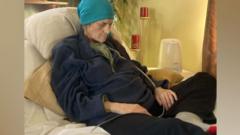
Antiparasitic Drugs Fraudulently Marketed as Cancer Cures
A comprehensive investigation by the BBC has uncovered a disturbing scheme involving the illegal marketing of antiparasitic drugs as legitimate cancer treatments. These fraudulent antiparasitic drugs have been aggressively promoted to vulnerable patients seeking hope in their battle against terminal illness, with unqualified individuals making false medical claims about their efficacy in treating cancer.
The investigation reveals that terminally-ill patients have been targeted by opportunistic sellers who lack any medical credentials or legitimate authority to dispense such medications. In one documented case, a man battling terminal cancer was approached by a stair lift salesman who claimed to possess access to pharmaceutical compounds capable of shrinking tumours. This incident exemplifies the brazen nature of those perpetrating this deception.
How the Fraud Operates
Targeting Vulnerable Populations
The scheme specifically preys upon desperate patients who have exhausted conventional medical options and are searching for alternative solutions. Antiparasitic drugs, which include common deworming agents and scabies treatments, are presented as miraculous cancer cures despite complete absence of scientific evidence supporting such claims. The perpetrators exploit the psychological vulnerability of terminally-ill individuals and their families, offering false hope in exchange for substantial financial investments.
Unqualified Sellers and False Credentials
One of the most alarming aspects of this investigation is the complete lack of medical qualification among those promoting these treatments. The BBC documented cases where individuals with no healthcare background whatsoever—including home improvement salesmen—made authoritative statements about the therapeutic properties of antiparasitic medications. These sellers present themselves as knowledgeable practitioners while possessing no legitimate medical training or licensing.
The Scientific Reality
Antiparasitic drugs have established uses in treating parasitic infections and certain skin conditions like scabies. However, there is absolutely no scientific evidence demonstrating that these medications possess any anti-cancer properties whatsoever. The compounds in question were never designed, tested, or approved for oncological applications. Legitimate cancer treatment requires carefully controlled clinical trials, regulatory approval, and physician oversight—none of which characterise these fraudulent offerings.
The BBC investigation includes expert commentary from medical professionals who categorically refute the claims being made about these drugs' cancer-fighting abilities. Oncologists emphasise that promoting unproven substances as cancer cures not only defrauds vulnerable patients but potentially diverts them from evidence-based treatments that might genuinely extend their survival or improve their quality of life.
Real-World Impact on Patients
The consequences of this fraud extend far beyond financial loss. Terminally-ill patients who invest time, money, and hope in these fraudulent treatments may neglect legitimate medical care that could provide palliative benefits or genuine therapeutic options. The psychological toll of false hope, followed by inevitable disappointment, compounds the suffering already endured by those fighting cancer and their families.
Family members of affected patients report feeling helpless as their loved ones pursue what they believed to be promising alternatives. The investigation documents testimonies from individuals who invested substantial sums in these antiparasitic drug protocols, only to experience deterioration in their health conditions alongside increased financial hardship.
Regulatory and Law Enforcement Response
The BBC investigation brings to light potential gaps in regulatory oversight and enforcement that allow such schemes to persist. Health authorities responsible for monitoring pharmaceutical sales and preventing false medical claims face challenges in identifying and stopping these operations quickly enough to prevent harm. The investigation raises important questions about coordination between consumer protection agencies, pharmaceutical regulators, and law enforcement to combat this growing threat.
Protecting Vulnerable Patients
Experts interviewed in the investigation stress the importance of patient education and awareness. Individuals diagnosed with terminal illness should rely exclusively on information from qualified oncologists and established medical institutions. Any claims about revolutionary cancer treatments should be verified through official medical channels before pursuing such therapies.
The BBC findings underscore the critical need for enhanced public awareness campaigns warning about fraudulent cancer treatments and the unqualified individuals promoting them. Healthcare providers are encouraged to discuss alternative treatment claims with their patients and explain why such unproven substances pose serious risks to health and wellbeing.
Conclusion
This investigation into fraudulent antiparasitic drug marketing represents a serious breach of public trust and patient safety. The scheme exploits legitimate hope that terminally-ill individuals naturally possess while offering no credible medical benefit. As these fraudulent practices continue emerging, regulatory bodies and law enforcement must prioritise identifying and dismantling operations that prey upon cancer patients seeking viable treatment options.


