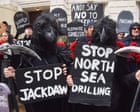
Government demands improved intelligence after far-right port demonstrations
Police face criticism for inadequate intelligence gathering during far-right port protests. Kent and Portsmouth forces caught off-guard by masked demonstrations...

Government Demands Better Intelligence Following Far-Right Port Demonstrations
Recent far-right port protests have prompted significant government criticism of police intelligence capabilities. Whitehall officials expressed disappointment after masked far-right groups organized demonstrations across multiple locations without adequate advance warning, raising questions about law enforcement's situational awareness and preparedness for public order incidents.
The far-right port protests occurred over consecutive days, with the first incident erupting in Kent on Saturday, followed by demonstrations in Portsmouth and Hampshire on Sunday. Hundreds of participants assembled at strategic port locations to voice opposition to what they characterized as illegal immigration operations involving small boats, according to witness accounts and police statements.
Intelligence Failures and Coordination Gaps
Kent Police acknowledged responsibility for mishandling prior warnings about potential unrest in their jurisdiction. Officials admitted they were unprepared for the scale and organization of the far-right port protests that materialized, despite receiving advance indicators of possible demonstrations. This admission prompted internal reviews and escalated scrutiny from government officials regarding departmental protocols.
Portsmouth and Hampshire police forces similarly reported being caught off-guard by the concurrent demonstrations. The synchronized nature of protests across multiple regions suggests coordination that eluded police surveillance and intelligence networks. Government officials questioned why existing prevention mechanisms were not activated or implemented more effectively.
Legislative Tools and Enforcement Questions
Whitehall representatives raised specific concerns about unused legislative provisions designed to restrict unlawful assembly activities. Laws intended to regulate mask-wearing at demonstrations represent one such enforcement tool that officials questioned regarding implementation. Police forces faced inquiries about why these statutes were not deployed to prevent or disperse the far-right port protests before they escalated.
The mask-wearing provisions specifically target disguised participants and represent a direct response to organized groups attempting to conceal identities during demonstrations. Government officials suggested these legal instruments provided adequate authority for intervention, making the apparent intelligence failures more conspicuous.
Systemic Intelligence Assessment
The coordination demonstrated during the far-right port protests revealed vulnerabilities in current surveillance and information-sharing mechanisms across police forces. Multiple regional deployments occurring simultaneously without adequate advance detection raised questions about inter-agency communication protocols and intelligence fusion capabilities.
Officials emphasized expectations for substantially improved performance moving forward. Future far-right port protests or similar incidents should be identified through enhanced intelligence operations, permitting advance resource allocation and preemptive positioning. Government communications stressed that current capabilities fall below acceptable standards for metropolitan areas with significant port infrastructure and immigrant populations.
Port Security and Border Operations
The demonstrations targeted port facilities representing crucial national infrastructure and immigration control points. The far-right port protests specifically focused on small boat immigration operations, creating potential security implications beyond traditional public order considerations. Officials acknowledged that port vulnerability assessments might require recalibration in response to demonstrated organizational capacity among protest groups.
Future Police Preparedness Standards
Government directives establish enhanced expectations for intelligence gathering ahead of anticipated far-right port protests or related demonstrations. Police forces must implement improved monitoring systems, informant networks, and digital surveillance capabilities to prevent surprise mobilizations. Training protocols should emphasize rapid response preparation once intelligence confirms specific protest plans or locations.
The far-right port protests served as catalyst for broader institutional review of police readiness across multiple operational domains. Officials committed to increased resource allocation for intelligence functions and expressed determination that similar incidents would not occur without comprehensive advance preparation and public safety measures.