Hamas Agrees to Disarm Under Trump's Board of Peace Initiative
Hamas confirms agreement to disarm following Trump's Board of Peace plan announcement. Learn about the latest developments in Middle East peace negotiations and...
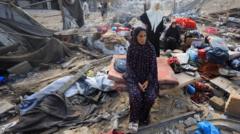
Hamas Confirms Disarmament Agreement Under Trump's Board of Peace Initiative
A prominent Hamas official has confirmed to the BBC that the organization has accepted the terms of the Board of Peace initiative unveiled by former President Donald Trump. The Hamas disarm agreement represents a significant development in ongoing efforts to resolve the longstanding Israeli-Palestinian conflict, marking a potential turning point in regional negotiations.
The Board of Peace initiative has been presented as a comprehensive framework designed to address core issues in the Israeli-Palestinian dispute. According to the senior Hamas representative, the organization's leadership has reviewed the proposal and determined that accepting the disarmament component aligns with their organizational objectives moving forward.
Key Details of the Board of Peace Plan
While specific provisions of the Board of Peace proposal remain under discussion, the framework reportedly addresses several critical aspects of potential Israeli-Palestinian coexistence. The disarmament component, which Hamas has agreed to, forms a cornerstone of the broader initiative intended to create conditions for sustainable peace in the region.
Trump's peace plan, distinct from previous international diplomatic efforts, has been developed with input from various stakeholders and regional analysts. The Board of Peace structure suggests a collaborative approach involving multiple parties invested in achieving stability across the Middle East.
Israel's Response to Hamas Agreement
As of the latest reports, the Israeli government has not issued an official statement regarding Hamas's acceptance of the Board of Peace disarmament terms. This absence of immediate response reflects the complex diplomatic landscape surrounding Israeli-Palestinian relations, where statements from either side often require careful deliberation before public announcement.
Israeli officials traditionally assess developments from Palestinian factions through comprehensive security evaluations before responding publicly. The lack of immediate commentary does not necessarily indicate rejection, but rather suggests ongoing internal discussions about the implications of Hamas's stated agreement.
International Implications and Regional Context
The Board of Peace initiative and Hamas's apparent willingness to negotiate disarmament signals potential shifts in regional dynamics. International observers have closely monitored such developments, recognizing that meaningful progress in Israeli-Palestinian negotiations carries significant implications for Middle Eastern stability.
Previous attempts at achieving comprehensive peace agreements have encountered substantial obstacles, including disagreements over fundamental issues such as territorial boundaries, refugee rights, and security arrangements. The emergence of Trump's Board of Peace proposal introduces a new framework that proponents argue addresses these longstanding points of contention through innovative diplomatic mechanisms.
Hamas's Strategic Positioning
Hamas's declaration of agreement to disarm under the Board of Peace framework represents a notable position shift within Palestinian political discourse. The organization, which has historically maintained armed wings alongside political structures, appears willing to consider alternative security arrangements under the proposed initiative.
The Hamas disarm commitment, if fully implemented, would transform the organization's operational capabilities and strategic posture in Palestinian territories. Such a transition would require verification mechanisms and international oversight to ensure compliance with agreed-upon terms.
Verification and Implementation Challenges
The practical implementation of any disarmament agreement between Hamas and international parties would necessitate robust verification protocols. Establishing credible mechanisms to confirm weapons destruction and organizational restructuring remains a critical component of transforming diplomatic agreements into tangible peace outcomes.
International organizations, potentially including the United Nations or other multilateral bodies, would likely play essential roles in monitoring compliance. Previous disarmament initiatives in conflict zones have demonstrated that successful implementation requires sustained international engagement and technical support.
Next Steps in Peace Negotiations
The current phase of negotiations following Hamas's agreement to the Board of Peace proposal represents a preliminary stage in what would likely be extended diplomatic discussions. Additional rounds of talks would be necessary to finalize specific terms, establish implementation timelines, and address remaining contentious issues.
As negotiations progress, both the BBC and other international news organizations will continue monitoring statements from Hamas leadership, Israeli government officials, and Trump administration representatives. These developments will shape understanding of the Board of Peace initiative's viability and potential consequences for regional stability and Israeli-Palestinian relations moving forward.


