Healey Raises Bank and Landlord Taxes for £100 Household Relief
Chancellor John Healey unveils first budget with tax increases on banks and landlords to deliver £100 winter payments to 20 million UK households amid ongoing c...
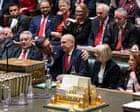
Chancellor's First Budget Addresses Cost of Living Crisis
Chancellor John Healey has announced significant tax increases on financial institutions and property owners to finance direct cash assistance for millions of struggling households. The Budget 2026 tax increases represent a substantial shift in fiscal policy, with Healey using his inaugural budget statement to tackle the persistent affordability challenges facing British families.
In a measured presentation to Parliament, Healey described the current economic landscape as shaped by "global economic storms," pointing to international tensions and energy market volatility as key factors driving domestic inflation and household expenses. The chancellor's approach combines revenue-raising measures with immediate relief for vulnerable populations, establishing a framework designed to address both short-term hardship and longer-term economic concerns.
Direct Support for 20 Million Families
The headline measure of Healey's Budget 2026 tax increases involves a one-time £100 winter payment targeted at approximately 20 million households. This cash transfer represents one of the largest direct assistance programmes announced in recent years, targeting families most affected by elevated energy costs and reduced purchasing power.
The eligibility criteria and distribution mechanism for the payments have been carefully structured to ensure resources reach households facing the greatest financial pressure. By tying this support directly to funding from enhanced taxation of the banking and property sectors, the government has sought to frame the measures as a means of wealth redistribution during an extended period of economic stress.
Taxation Strategy: Banks and Landlords in Focus
The fiscal measures underpinning Healey's announcement centre on two primary areas of taxation reform. Banks face enhanced levies designed to capture additional revenue from the financial sector, while landlord taxation has been adjusted to generate funds for household support schemes. These Budget 2026 tax increases reflect broader policy objectives around corporate contribution and property ownership responsibilities during periods of economic strain.
The tax rises on financial institutions respond to sustained pressure from various quarters demanding greater contributions from profitable sectors to support public priorities. Similarly, adjustments to landlord taxation acknowledge the role of rental housing markets in broader cost of living considerations, with policymakers viewing increased contributions as a mechanism for funding relief measures.
Global Economic Context and Energy Markets
Healey's budget speech emphasised the external pressures shaping the domestic economic environment. Conflict in Iran and associated geopolitical tensions have contributed to elevated energy commodity prices, with direct implications for household utility bills and broader inflation dynamics. The chancellor presented this international context as essential background for understanding why relief measures remain necessary despite previous government interventions.
Official economic forecasts accompanying the budget announcement provided little optimism regarding rapid cost of living improvements. Projections suggested that inflationary pressures would persist, maintaining financial stress for households across multiple income brackets. This sobering outlook provided political justification for the immediate relief component of the fiscal package.
Limited Surprises in Conservative Fiscal Approach
Market observers and political analysts noted the relative absence of dramatic policy shifts in Healey's Budget 2026 tax increases announcement. The measures represented incremental rather than revolutionary approaches to taxation and redistribution, reflecting cautious management of economic policy during volatile circumstances. The speech itself maintained a notably restrained tone, avoiding triumphalism while emphasizing practical responses to demonstrated economic challenges.
The chancellor's presentation strategy focused on necessity and proportionality rather than ideological pronouncements. By anchoring the tax increases to specific relief objectives, Healey attempted to establish clear causal connections between revenue collection and household assistance, potentially tempering criticism from business communities regarding enhanced fiscal burdens.
Implementation and Future Outlook
Details regarding the timeline for distributing the £100 payments and the effective dates for enhanced taxation of banks and landlords would require further announcement through departmental channels. The budget framework suggests coordination with existing welfare and tax administration systems to facilitate efficient delivery of relief payments to qualifying households.
Looking forward, the sustainability of this fiscal approach remains subject to evolving economic conditions. Should international tensions ease and energy prices decline, arguments for maintaining elevated taxation levels or continued cash transfers could weaken. Conversely, prolonged cost of living pressures might necessitate additional relief measures beyond those outlined in Healey's initial budget statement.
The Chancellor's Budget 2026 tax increases represent his government's initial comprehensive response to economic stress affecting millions of British families. By combining targeted taxation changes with direct household support, Healey has signaled continuity in cost of living policy while attempting to balance competing fiscal and social objectives during a challenging economic period.