Hospital Fire in Pakistan Claims 14 Infants' Lives Amid Safety Concerns
Hospital fire in Pakistan kills 14 babies in tragic incident. Witnesses dispute safety protocols as investigation reveals critical details about ward security m...
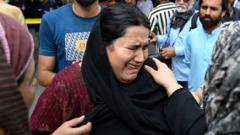
Hospital Fire in Pakistan Claims Lives of 14 Infants
A devastating hospital fire in Pakistan has resulted in the tragic death of 14 babies, raising urgent questions about safety protocols and emergency preparedness in medical facilities. The hospital fire in Pakistan has prompted immediate investigations into the circumstances surrounding the incident and the measures in place to protect vulnerable newborns in neonatal care units.
Conflicting Accounts of Ward Security
Eyewitness testimonies paint a troubling picture regarding access control to the neonatal ward during the emergency. Multiple witnesses present at the facility have stated that the ward entrance was secured with a locked door, which allegedly hindered evacuation efforts and rapid response from emergency personnel. These accounts suggest that the physical barriers implemented to protect the babies may have inadvertently created obstacles during the critical moments of the fire.
Hospital's Official Statement on Safety Measures
In response to witness testimonies, hospital administrators have provided a different account of the security arrangements. According to the hospital's official communication with media outlets, the ward door was not locked but rather staffed with security personnel positioned to monitor and control access to the neonatal unit. Hospital officials maintain that security guards were strategically stationed at the entrance to safeguard the infants and maintain controlled access to the facility.
Purpose of Security Presence
The hospital has emphasized that the presence of security guards at the ward entrance served multiple protective functions. Beyond controlling who could access the neonatal ward, these personnel were intended to prevent unauthorized individuals from entering an area housing extremely vulnerable patients. This dual-purpose security arrangement was designed to balance protection with accessibility for emergency responders.
Investigation into the Incident
Authorities have launched comprehensive investigations into the hospital fire in Pakistan to establish the precise sequence of events and determine whether existing safety protocols were adequately implemented. Investigators are examining multiple aspects of the incident, including initial fire outbreak location, spread rate, emergency response times, and the effectiveness of evacuation procedures for the neonatal ward.
Key Areas of Investigation
The investigation is focusing on several critical areas that could have influenced the tragic outcome. These include reviewing maintenance records of fire safety equipment, examining staff training records for emergency procedures, analyzing the hospital's fire detection and suppression systems, and interviewing all personnel present during the incident. The findings will determine whether negligence or equipment failure contributed to the loss of life.
Safety Protocols in Pakistani Healthcare Facilities
This incident has sparked broader concerns about safety standards across Pakistani hospitals and medical institutions. Healthcare facilities across the region are now facing increased scrutiny regarding their compliance with international fire safety standards, emergency evacuation procedures, and staff training requirements. The hospital fire in Pakistan serves as a stark reminder of the critical importance of robust safety infrastructure in healthcare settings.
Regulatory Framework Questions
The incident raises questions about the adequacy of current regulatory oversight in Pakistani healthcare. Experts are calling for comprehensive audits of fire safety measures, including updated fire suppression systems, regular safety drills, clearly marked emergency exits, and adequate staff training. These measures are essential for protecting vulnerable patient populations, particularly infants in neonatal intensive care units who cannot self-evacuate.
Impact on Hospital Operations and Patient Care
Following the tragic hospital fire in Pakistan, the affected facility is reportedly reviewing all safety protocols and implementing immediate measures to prevent similar incidents. The incident has also prompted discussions among hospital administrators and healthcare authorities about resource allocation for safety infrastructure improvements across the country's medical system.
Community Response and Support
The local community has expressed grief and concern following the incident. Families of affected infants are seeking answers about what went wrong and what measures will prevent future tragedies. Mental health support is being offered to staff members and family members traumatized by the incident. The hospital has announced plans to establish a memorial for the 14 infants and implement enhanced safety protocols to honor their memory.
Moving Forward with Enhanced Safety Standards
The tragedy has catalyzed urgent discussions about implementing more stringent safety requirements for neonatal units throughout Pakistan. Healthcare officials are considering updated building codes, mandatory safety certifications, and regular independent inspections of medical facilities. The hospital fire in Pakistan has become a catalyst for systemic reforms aimed at preventing similar catastrophes and ensuring vulnerable patients receive care in secure environments.


