How China Caught Up on AI—and May Now Win the Future
While the U.S. chases breakthroughs, China is betting on scale, speed, and real-world adoption—and that strategy may prove decisive in the global AI race.
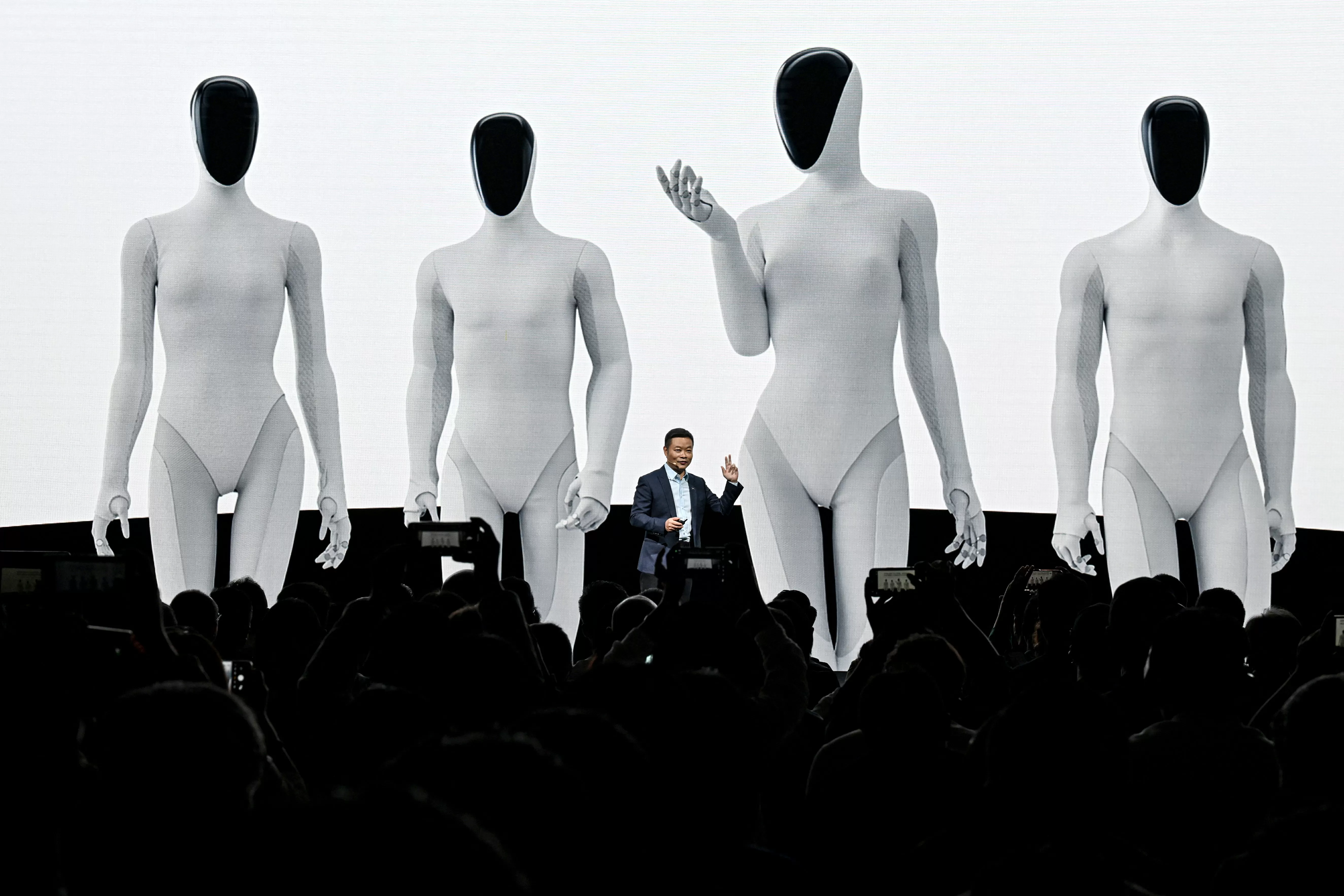
In the race for artificial intelligence (AI) dominance, the United States has long been seen as the frontrunner, with its leading tech companies and top-notch research institutions. However, in recent years, China has emerged as a formidable competitor, adopting a different strategy that may prove decisive in the global AI race. While the U.S. focuses on breakthroughs and innovation, China is betting on scale, speed, and real-world adoption – and this approach is paying off.
China's rapid rise in the AI arena can be attributed to its government's strategic plan to become a world leader in AI by 2030. This plan includes investing heavily in research and development, building AI talent, and creating a favorable environment for AI companies to thrive. According to a report by the Center for Data Innovation, China is currently leading the world in AI patent applications, surpassing the U.S. and Japan. This shows the country's commitment to developing and implementing AI technology.
One of the key advantages of China's approach is its focus on scale. With a population of over 1.4 billion, China has a vast market for AI applications. This has led to a significant increase in the adoption of AI in various industries, such as healthcare, finance, and transportation. For instance, AI-powered facial recognition technology is being used in China for everything from shopping to law enforcement. This widespread use of AI has enabled Chinese companies to gather vast amounts of data, which is crucial for training and improving AI algorithms.
Moreover, China's emphasis on speed has allowed it to make significant progress in AI development in a short period. The government's support and funding have enabled Chinese companies to quickly scale up their AI projects and bring them to the market. For example, Chinese tech giant Alibaba has developed an AI-powered virtual assistant, AliMe, which can handle over 90% of customer inquiries without human intervention. This has helped the company to improve its efficiency and reduce costs.
Another crucial factor in China's AI strategy is its focus on real-world adoption. While the U.S. is primarily focused on developing cutting-edge AI technology, China is more concerned with how AI can be applied in different industries to solve real-world problems. This approach has allowed Chinese companies to gain a competitive edge by understanding the practical applications of AI and developing solutions that meet the needs of their target market.
China's strategy of betting on scale, speed, and real-world adoption has also given it an advantage in the global AI race. The country's vast market and government support have attracted top AI talent from around the world. Chinese tech companies are also expanding globally, investing in AI research centers and collaborating with international partners. This has enabled China to catch up with the U.S. in terms of AI research and development.
Moreover, China's focus on real-world adoption has allowed it to gain a foothold in emerging markets, where there is a high demand for AI solutions. This has given Chinese companies an opportunity to test and refine their AI technology in diverse environments, making them more competitive on a global scale.
While the U.S. is undoubtedly a leader in AI research and development, China's strategy of betting on scale, speed, and real-world adoption may prove to be decisive in the global AI race. The country's massive market, government support, and focus on practical applications have enabled it to make significant progress in a short period. As AI continues to revolutionize industries and transform the way we live and work, China's approach may prove to be the winning strategy in the end.