How Christian Leaders Are Challenging the AI Boom
Christian leaders are speaking out against AI accelerationism and putting pressure on lawmakers to impose guardrails.
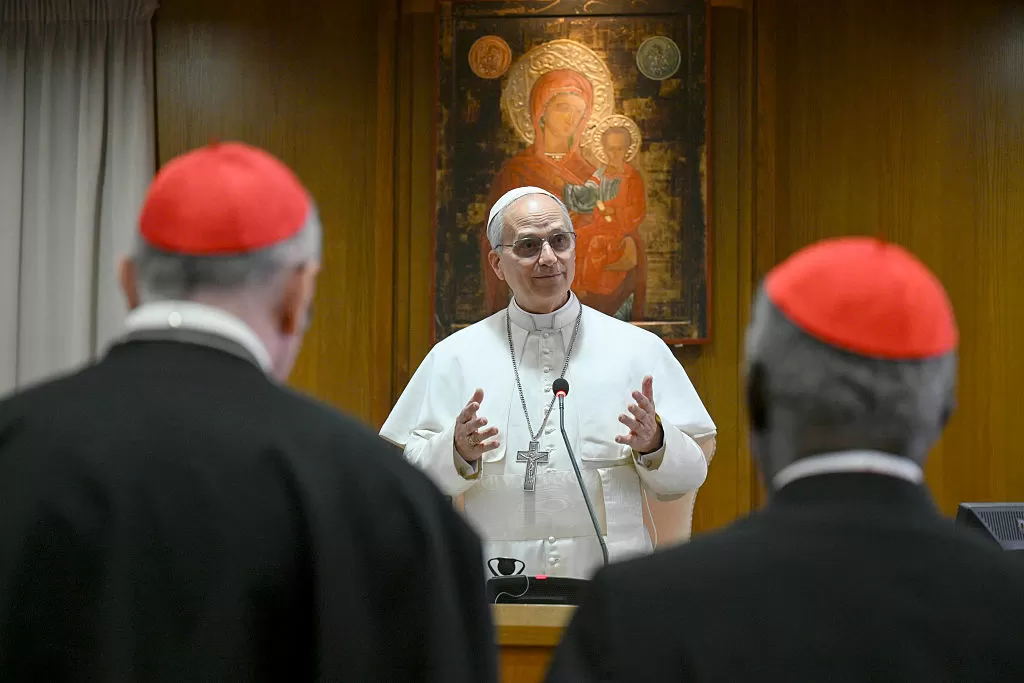
Christian Leaders Call For Action Against AI Accelerationism
In recent years, there has been an increasing development and utilization of artificial intelligence (AI) technology in various industries. While this advancement has brought about many positive changes and advancements, there are growing concerns about the potential consequences of AI accelerationism – the idea that AI should be allowed to progress at an exponential rate, surpassing human capabilities and control.
Christian leaders from various denominations and backgrounds have been joining forces to raise awareness about the dangers of AI accelerationism and put pressure on lawmakers to impose guardrails to prevent its negative effects on society.
One of the key concerns of Christian leaders is the potential impact of AI on humanity and the Christian value of human dignity. Archbishop of Canterbury, Justin Welby, recently spoke out about this issue, stating that “the idea of AI accelerationism goes against the teachings of the Christian faith, which values each human life as sacred and created in the image of God.”
There are fears that if AI is allowed to progress unchecked, it could lead to a world where machines make decisions and control human lives, disregarding the inherent worth and dignity of each individual. This goes against the Christian belief in the inherent worth and dignity of every person, regardless of their abilities or status.
Moreover, there are concerns about the potential displacement of human workers due to the increasing use of AI in the workforce. This could lead to a loss of livelihoods and a widening gap between the rich and the poor, which goes against the Christian principle of caring for the disadvantaged and promoting social justice.
Rev. Dr. Samuel Rodriguez, president of the National Hispanic Christian Leadership Conference, emphasized the need for ethical considerations in the development of AI. He stated, “We must ensure that AI is designed and implemented with ethical principles in mind, so that it aligns with the values of compassion and human dignity.”
Aside from ethical concerns, Christian leaders also highlight the potential dangers of AI accelerationism in terms of security and privacy. With the increase in data collection and processing, there are fears that personal information could be misused or hacked, compromising the safety and security of individuals and society as a whole.
Rev. Dr. Katharine Hayhoe, a climate scientist and evangelical Christian, pointed out the need for transparency and accountability in the development and use of AI. “As Christians, we are called to be stewards of the Earth and all its inhabitants, including the data and technology we create. We must demand transparency and accountability to ensure that AI is used for the greater good and not for self-serving purposes,” she said.
Christian leaders are also concerned about the potential for AI to reinforce existing biases and discriminations in society. Rev. Dr. Mae Elise Cannon, executive director of Churches for Middle East Peace, noted, “AI systems are only as good as the data they are trained on. If this data reflects societal biases, then AI will only perpetuate those prejudices, leading to further injustices in our world.”
In light of these concerns, Christian leaders are calling for immediate action to be taken to address AI accelerationism. They are urging lawmakers to put guardrails in place to regulate the development and use of AI, ensuring that it aligns with ethical principles and promotes human dignity and well-being.
Furthermore, Christian leaders are also calling on the tech industry to take responsibility for the impact of their developments on society and to incorporate ethical considerations into their processes. They are encouraging companies to engage in dialogue and collaboration with faith leaders and other stakeholders to ensure that AI is developed and used responsibly.
In response to these calls to action, some tech companies have already taken steps towards ethical AI development. Google, for example, has established an AI ethics board to oversee their research and development, and Microsoft has pledged to invest $1 billion in ethical AI research.
However, Christian leaders stress the importance of not only addressing the ethical concerns but also engaging in deeper reflection and discussion about the implications of AI for humanity. They are calling on the church and its members to educate themselves about AI and its potential impacts and to engage in conversations with their communities and policymakers.
Rev. Dr. Gabriel Salguero, president of the National Latino Evangelical Coalition, stated, “The church has a crucial role to play in shaping the future of AI. We must be informed and engaged in this conversation, bringing the Christian values of compassion, justice, and human dignity to the forefront.”
In conclusion, Christian leaders are speaking out against AI accelerationism and advocating for guardrails