How Stevie Wonder’s “Happy Birthday” Song Helped Make MLK Day Official
Stevie Wonder's "Happy Birthday" song played an important role in the creation of a national holiday honoring Martin Luther King Jr.
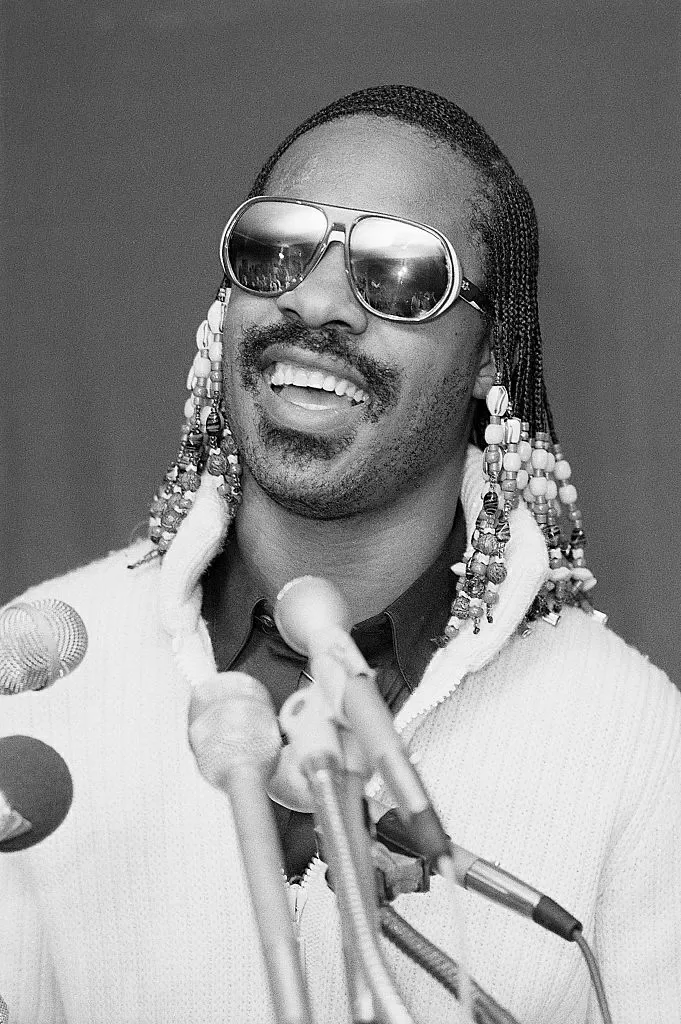
Stevie Wonder's "Happy Birthday" Song: A Moving Tribute to Martin Luther King Jr. and the Creation of a National Holiday
In the United States, the third Monday in January is a day of celebration and remembrance. It is a day when we honor one of the most influential and iconic figures in American history, Martin Luther King Jr. This national holiday, known as Martin Luther King Jr. Day, is a testament to the impact and legacy of Dr. King's tireless fight for equality and justice. But did you know that this holiday may not have existed without the help of another legendary figure – Stevie Wonder?
In 1980, Stevie Wonder released his hit single "Happy Birthday," a catchy and uplifting tune that quickly became a fan favorite. However, this song was more than just another hit for the iconic musician. It was a powerful tribute to Dr. King and his enduring message of love, peace, and unity. The song was a call to action, urging the nation to recognize Dr. King's contributions and to make his birthday a national holiday.
At the time, there was a growing movement to establish a national holiday in honor of Dr. King. Several states had already declared his birthday a holiday, but there was still resistance at the federal level. Stevie Wonder, along with civil rights leader Coretta Scott King, took on the challenge of raising awareness and support for this important cause. They believed that a national holiday would not only honor Dr. King's legacy but also serve as a reminder of the ongoing struggle for equality and justice.
Stevie Wonder's "Happy Birthday" song became the anthem for this movement. With its infectious rhythm and powerful lyrics, the song captured the hearts of people across the nation. It was a rallying cry for change, a call for unity, and a celebration of Dr. King's life and message. The song's chorus, "We all