How to Watch the Last Meteor Shower of 2025
The Ursid meteor shower is peaking this week. Here's when and how you can see it best.
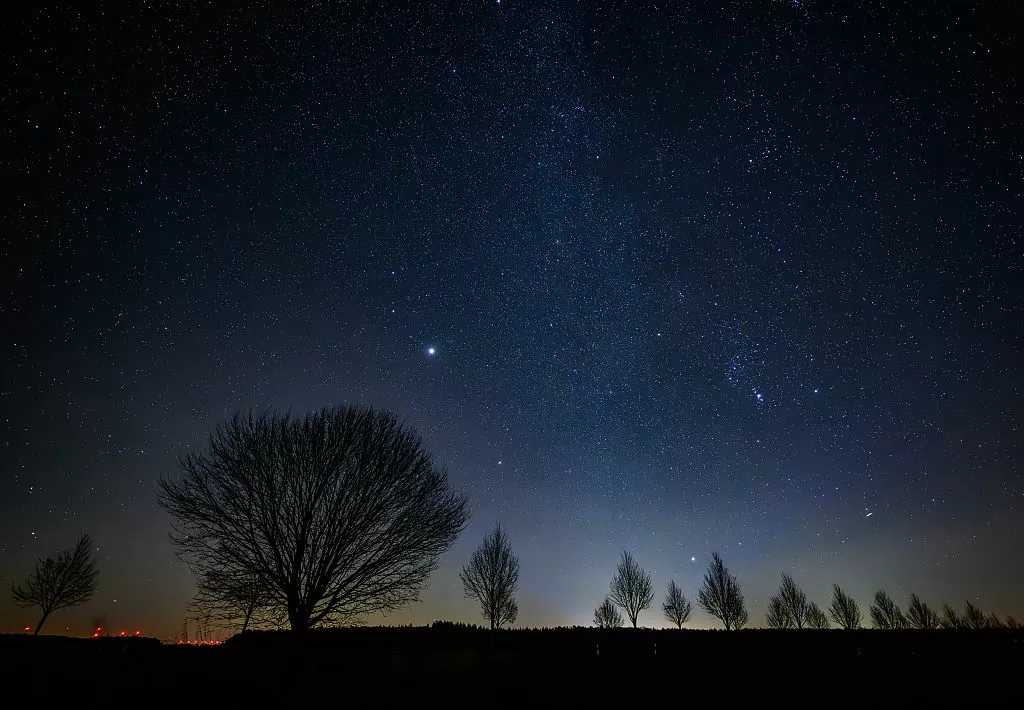
The Ursid meteor shower is a spectacular celestial event that takes place every year during the month of December. This year, the meteor shower is expected to peak on the night of December 21st and the early morning hours of December 22nd. This is an event that should not be missed, as it promises to be a dazzling display of shooting stars in the night sky.
The Ursid meteor shower is caused by the Earth passing through the debris left behind by the comet 8P/Tuttle. When these tiny particles of dust and ice enter our atmosphere, they burn up and create the beautiful streaks of light that we know as meteors. Named after the constellation Ursa Minor, from which they appear to radiate, the Ursids can produce up to 10 meteors per hour at their peak.
So, when and how can you see this amazing display of shooting stars? The good news is that the Ursid meteor shower can be seen from both the northern and southern hemispheres, making it accessible to people all over the world. However, the best viewing conditions are in the northern hemisphere, specifically in the mid to high latitudes.
For those in the northern hemisphere, the best time to view the Ursid meteor shower is in the early morning hours before dawn on December 22nd. This is when the radiant point, the spot in the sky where the meteors appear to originate from, will be at its highest point in the sky. This means that you will have a better chance of seeing more meteors as they streak across the sky.
To get the best view of the Ursids, it is recommended to find a dark location away from city lights. The darker the sky, the more meteors you will be able to see. Also, give your eyes some time to adjust to the darkness, as it takes about 20 minutes for them to fully adapt. You don't need any special equipment to view the meteor shower, just your eyes and a bit of patience.
If you are in the southern hemisphere, don't worry, you can still catch a glimpse of the Ursid meteor shower. However, the viewing conditions won't be as favorable as in the northern hemisphere. The radiant point will be much lower in the sky, meaning you will likely see fewer meteors. Additionally, the further south you are, the lower the radiant point will be, so try to find a spot with an unobstructed view of the northern horizon.
One thing to keep in mind is that the Ursid meteor shower is known for its unpredictability. In some years, it can produce a spectacular show with up to 100 meteors per hour, while in others it may be a bit more subdued. This is due to the varying density of the comet's debris as it orbits the sun. So, don't be discouraged if you don't see as many meteors as you were expecting. Just enjoy the ones that you do see and appreciate the beauty of the night sky.
In addition to the Ursids, there will also be a few other celestial events happening this week that you can enjoy while you're out stargazing. On December 21st, the winter solstice will occur, marking the shortest day and longest night of the year in the northern hemisphere. This is a great opportunity to witness the changing of the seasons and the tilt of the Earth's axis.
Also, on December 22nd, the planet Jupiter and the moon will be in conjunction, meaning they will appear very close to each other in the night sky. This will be a beautiful sight to see, especially with the backdrop of the Ursid meteor shower.
So, mark your calendars and set your alarms for the early morning hours of December 22nd to witness the peak of the Ursid meteor shower. It is sure to be a magical experience that will leave you in awe of the wonders of the universe. Don't forget to bundle up and bring a blanket to keep warm while you enjoy the show. Happy stargazing!