Iran and Oman Near Final Stages of Strait Hormuz Agreement
Iran announces it's close to finalizing a strategic deal with Oman regarding the Strait of Hormuz. The US and Oman have not yet commented on the proposed waterw...
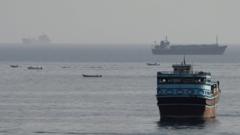
Iran Advances Toward Completion of Strait of Hormuz Accord with Oman
The Strait of Hormuz agreement between Iran and Oman has entered its concluding phase, according to official statements from Tehran. This development marks a significant step in regional diplomacy regarding one of the world's most strategically important maritime passages.
Details of the Proposed Strait of Hormuz Framework
The Iran Oman deal under negotiation specifically addresses governance and operational protocols for the Strait of Hormuz, a waterway through which approximately one-fifth of global petroleum shipments transit annually. The strategic importance of this Strait Hormuz corridor cannot be overstated, given its role in international energy security and global commerce.
Iranian officials have confirmed that both nations are in advanced stages of finalizing the agreement's core provisions. The accord is designed to establish mutually beneficial arrangements for maritime operations and security protocols within the waterway's designated zones.
International Response and Diplomatic Silence
Notably, neither the United States nor Oman has issued formal statements regarding the proposed maritime agreement Iran and its neighboring nation are pursuing. This diplomatic silence from Washington and Muscat stands in contrast to Iran's public confirmation of progress toward finalization.
The absence of commentary from the United States suggests continued monitoring of developments without immediate official reaction. Oman, traditionally a diplomatic mediator in regional affairs, has maintained its measured approach to public statements on bilateral negotiations.
Strategic Significance for the Middle East
The potential completion of this Middle East waterway accord carries substantial implications for regional stability and international commerce. The Strait of Hormuz remains a critical chokepoint for energy supplies destined for global markets, particularly serving Asian economies that depend heavily on petroleum imports.
Iran's emphasis on finalizing the agreement reflects its commitment to establishing framework arrangements that address shared interests with Oman. The diplomatic engagement demonstrates both nations' recognition of the waterway's importance to their respective economies and broader regional security considerations.
Implications for Global Energy Markets
Should the Strait of Hormuz agreement reach completion, the framework could establish precedents for maritime cooperation among regional actors. Stable governance arrangements for such critical passages typically contribute to reduced tensions and improved predictability for international shipping and energy transport.
The commercial importance of maintaining unobstructed passage through these waters makes any formal agreement between Iran and Oman a matter of interest to multiple international stakeholders, particularly energy-importing nations and shipping companies operating in the region.
Timeline and Next Steps
While Iran has indicated that the accord is in final negotiation stages, no specific completion date has been announced. The gradual progression toward finalization suggests that technical and diplomatic details remain under discussion between the two governments.
As negotiations continue, international observers will likely await formal announcements from either Iran or Oman regarding signature of the agreement or implementation timelines. Any official response from the United States or international maritime bodies may provide additional context regarding the accord's scope and operational parameters.
The advancement of this diplomatic initiative underscores the significance of the Strait of Hormuz in contemporary international relations and the ongoing efforts by regional powers to establish cooperative frameworks that serve mutual interests while maintaining stability in one of the world's most vital commercial waterways.


