Iran Proposes Opening Strait of Hormuz in Six Days
Iran proposes opening the Strait of Hormuz within six days if the US lifts oil sanctions and ends regional conflicts including Lebanon.
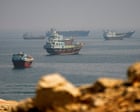
Iran's Strategic Proposal to Trump Administration
The Strait of Hormuz has become a critical focal point in ongoing diplomatic negotiations between Iran and the United States. Iran has presented a comprehensive proposal to the Trump administration, offering to open the Strait of Hormuz within six days in exchange for specific concessions regarding sanctions relief and regional conflict resolution.
According to Tehran's official position, the Iranian government is willing to facilitate unrestricted passage through the Strait of Hormuz, one of the world's most strategically important waterways for global energy supplies. This proposal represents a significant diplomatic initiative designed to break the current impasse in US-Iran relations.
Conditions for the Strait of Hormuz Opening
Iran's proposal comes with several interconnected demands that form a comprehensive package aimed at addressing multiple dimensions of the bilateral relationship. The primary condition involves the lifting of comprehensive sanctions on Iran's oil exports, which have severely impacted the country's economy and revenue generation.
Beyond sanctions relief, Iran's terms include the complete cessation of military hostilities across multiple regional fronts. This encompasses not only direct US military involvement but also the termination of conflicts in neighboring countries, particularly Lebanon, where various factions have been engaged in ongoing tensions and sporadic violence.
Nuclear Negotiations Timeline
The Iranian proposal includes an accelerated timeline for nuclear program discussions. According to the offer presented to the Trump administration, Iran is prepared to commence formal negotiations on its nuclear program just one day after opening the Strait of Hormuz. This expedited schedule would significantly compress the timeframe previously established for initiating these critical talks.
This accelerated approach represents a departure from earlier agreements and timelines. By proposing such a rapid implementation schedule, Iran appears to be demonstrating its commitment to swift diplomatic resolution and its willingness to move quickly on issues of mutual concern.
Connection to Previous Memorandum of Understanding
The current Iranian proposal builds upon the memorandum of understanding that was signed between the United States and Iran in June. That earlier agreement established foundational principles for potential cooperation between the two nations and outlined the framework for future negotiations on nuclear matters.
The Strait of Hormuz opening proposal is specifically designed to accelerate the implementation of steps that were initially outlined in the June memorandum. By compressing the timeline for nuclear negotiations, Iran is essentially proposing a more aggressive diplomatic schedule than what was previously contemplated under the existing agreement.
Broader Regional Implications
The inclusion of Lebanon and other regional conflicts in Iran's proposal demonstrates Tehran's understanding that comprehensive peace in the Middle East requires addressing multiple theaters of conflict simultaneously. The Strait of Hormuz, as a critical chokepoint for global energy supplies, represents leverage that Iran believes can be used to encourage broader regional de-escalation.
Opening the Strait of Hormuz would have immediate implications for global energy markets, maritime commerce, and international stability. Approximately one-third of all seaborne crude oil passes through this strategic waterway, making its accessibility crucial for the global economy.
Economic Impact of Sanctions Relief
Iran's demand for oil export sanctions relief reflects the severe economic pressure that these measures have imposed on the country. The lifting of sanctions would enable Iran to significantly increase its oil production and sales, generating much-needed revenue for economic development and addressing humanitarian concerns within the country.
The economic dimension of Iran's proposal underscores how sanctions policy directly influences Tehran's willingness and ability to engage in diplomatic negotiations. By linking Strait of Hormuz access to sanctions removal, Iran is presenting a concrete incentive structure for the Trump administration to reconsider its current approach to Iranian economic penalties.
Status of Frozen Assets
The Iranian proposal also includes demands for the release of frozen Iranian assets held in various international financial institutions. These assets represent significant resources that Iran views as rightfully belonging to the country and that could be mobilized for economic and developmental purposes following their release.
Awaiting Trump Administration Response
At present, Iran has communicated its proposal to the Trump administration and is awaiting a formal response. The timing of this proposal and the specific six-day timeline suggest that Iran is attempting to establish a concrete deadline for US decision-making on these interconnected issues.
The response from Washington will be crucial in determining whether these negotiations advance toward productive dialogue or whether the current tensions between the United States and Iran continue to escalate. The Trump administration's position on sanctions relief, regional conflicts, and nuclear negotiations will ultimately determine the viability of Iran's comprehensive proposal regarding the Strait of Hormuz and broader diplomatic engagement.