New Year’s Eve Traditions From Around the World
As the calendar turns, people everywhere rely on food, fire, and folklore to welcome the year ahead.
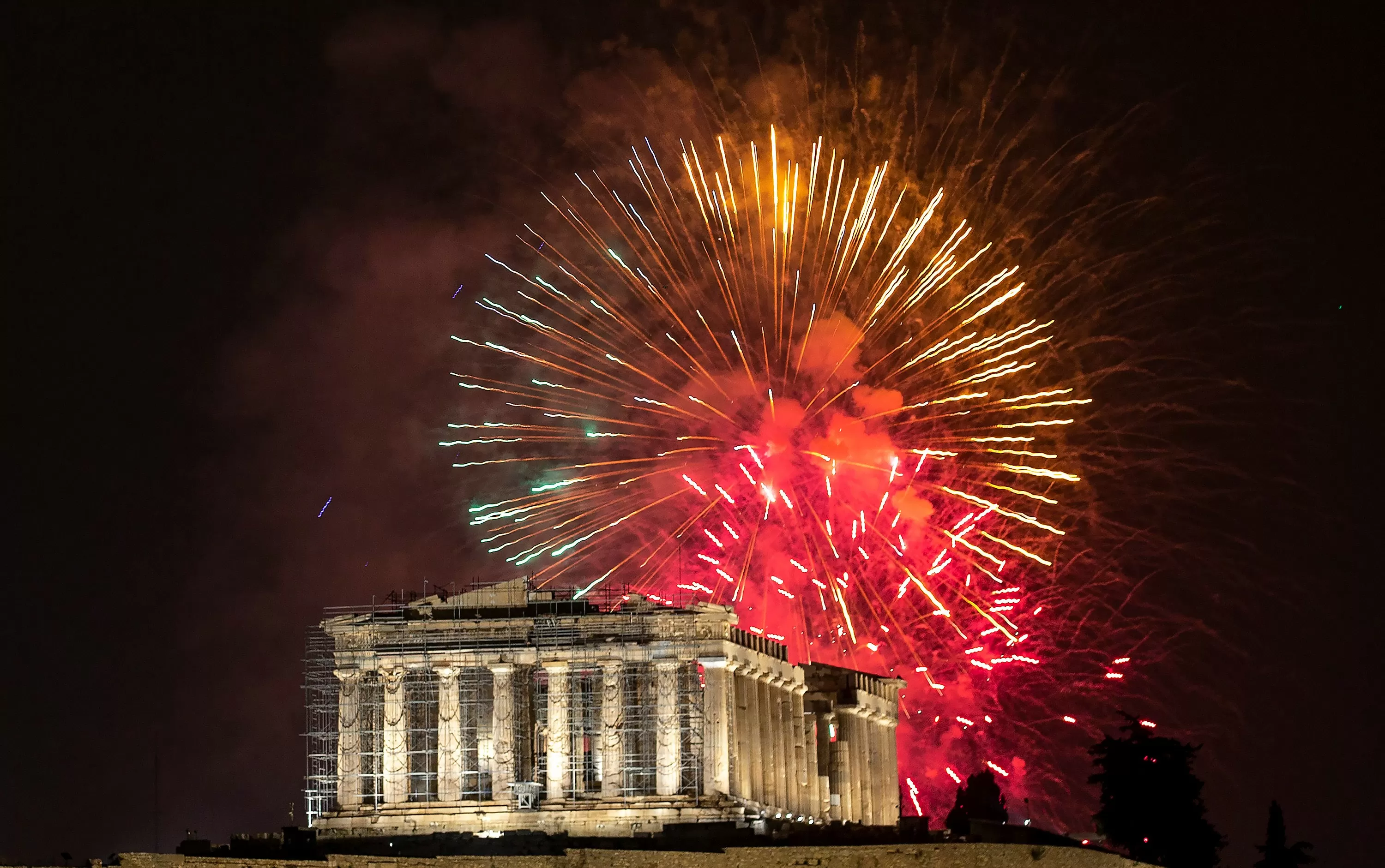
As the old year comes to an end and a new one begins, people around the world have different ways of welcoming the year ahead. While some may celebrate with loud parties and fireworks, others rely on more traditional practices such as food, fire, and folklore to mark the beginning of a new year. These customs have been passed down through generations and continue to hold a special place in people's hearts as they welcome the new year with hope and positivity.
Food has always been an integral part of celebrations and the start of a new year is no exception. In many cultures, certain dishes are considered lucky and are consumed on New Year's Eve or New Year's Day in hopes of bringing good fortune for the year ahead. In Spain, it is believed that eating 12 grapes at midnight, one for each month, will bring good luck for the coming year. In Japan, soba noodles are eaten on New Year's Eve to symbolize longevity and good health. In the southern United States, it is customary to eat black-eyed peas and collard greens on New Year's Day for prosperity and good luck.
Apart from food, fire also plays a significant role in welcoming the new year. In many countries, bonfires are lit to mark the beginning of a new year. The warmth and light of the fire are seen as a symbol of hope and positivity for the year ahead. In Scotland, the tradition of Hogmanay, which is the celebration of New Year's Eve, involves lighting bonfires and swinging fireballs to drive away evil spirits and bring in good luck. In Ecuador, people burn effigies of politicians or celebrities to symbolize leaving behind the old and welcoming the new.
Folklore and superstitions also hold a special place in welcoming the new year. These traditions have been passed down through generations and are believed to bring good luck and ward off bad omens. In some cultures, it is believed that the first person to enter the house on New Year's Day will determine the luck of the household for the entire year. In other places, it is customary to open all doors and windows at midnight to let out the old and welcome the new. In many countries, wearing certain colors on New Year's Eve is believed to bring luck. For example, wearing red in China symbolizes good fortune and happiness, while wearing white in Brazil represents peace and renewal.
As we bid farewell to the old year and welcome the new, these traditions remind us to leave behind the past and embrace the future with positivity and hope. They also serve as a reminder to cherish our cultural heritage and keep these traditions alive for future generations.
In today's fast-paced world, where technology and modernity dominate, it is heartwarming to see people still holding on to these age-old customs to welcome the new year. It brings a sense of unity and connects us to our roots. These traditions also serve as a reminder to slow down and appreciate the simple things in life, like gathering around a bonfire with loved ones or sharing a traditional meal together.
As we enter a new year, let us not forget the power of these customs and the joy they bring. Let us embrace them with open arms and carry them forward, ensuring that they continue to be a part of our lives for years to come. So, as the calendar turns and a new chapter begins, let us welcome it with food, fire, and folklore, and may the year ahead be filled with love, happiness, and prosperity for all. Happy New Year!