NHS Trust Admits Unnecessary Mastectomies for 20 Women
Twenty women underwent unnecessary breast removal at County Durham NHS trust. Discover how hundreds of patients suffered harm during cancer treatment at the fac...
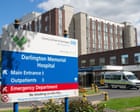
Unnecessary Mastectomies Revealed at Major NHS Facility
A significant medical oversight has emerged at a prominent National Health Service institution in north-east England, where unnecessary mastectomies were performed on multiple cancer patients. The County Durham and Darlington foundation trust (CDDFT) has publicly acknowledged that twenty women underwent breast removal procedures that were not medically required, representing a serious breach in clinical standards and patient care protocols.
This troubling discovery represents only a fraction of the broader patient safety concerns identified within the trust's breast unit, with evidence suggesting that hundreds of individuals experienced various forms of harm during their treatment at the facility.
Scale of the Medical Oversight
The magnitude of unnecessary mastectomies at the facility extends beyond the twenty confirmed cases of breast removal. Hospital officials have indicated through media communications that the problems identified within their breast unit affected considerably more patients than initially reported. The trust's acknowledgment of widespread harm suggests systemic issues that may have compromised clinical decision-making processes across multiple cases.
Patient Impact and Medical Implications
Unnecessary mastectomies represent one of the most severe forms of iatrogenic harm in oncological care. Patients who underwent these procedures faced not only the physical consequences of surgical intervention but also emotional and psychological trauma associated with losing breast tissue. The unnecessary mastectomies performed at this institution have raised serious questions about the protocols governing surgical decision-making and the oversight mechanisms designed to prevent such occurrences.
Women affected by these unnecessary procedures must now contend with long-term physical changes, potential complications from surgery, and the psychological burden of knowing their treatment was inappropriate. Beyond the immediate patients, this situation reflects broader systemic failures in quality assurance and clinical governance.
Investigation and Accountability
The revelation of unnecessary mastectomies at County Durham and Darlington foundation trust has prompted urgent scrutiny of the institution's practices and procedures. Regulatory bodies and health authorities are examining how such significant deviations from standard cancer treatment protocols occurred and persisted over what appears to be an extended period.
Questions have been raised regarding the clinical oversight structures that should have identified and prevented the unnecessary removal of healthy or partially compromised breast tissue. The trust's willingness to acknowledge these failures publicly suggests recognition of the severity of the situation, though this does not diminish the impact on affected patients.
Broader Healthcare Concerns
This incident at the NHS facility highlights the critical importance of robust quality assurance mechanisms within cancer care units. The identification of unnecessary mastectomies and related harms underscores the need for independent clinical review processes, peer assessment protocols, and patient advocacy measures that can identify departures from evidence-based practice standards.
Medical professionals working within breast cancer treatment must maintain strict adherence to established clinical guidelines that determine when mastectomy procedures are genuinely warranted. The occurrence of unnecessary procedures suggests potential failures in multidisciplinary team reviews or insufficient application of available diagnostic technologies that could have prevented these inappropriate interventions.
Support and Remediation for Affected Patients
The trust has an obligation to provide comprehensive support to patients who underwent unnecessary mastectomies, including psychological counseling, reconstructive surgical options if desired, and appropriate compensation. The emotional toll of receiving unnecessary surgical intervention for cancer treatment cannot be underestimated, and institutional responsibility extends beyond clinical acknowledgment to meaningful remediation.
Moving forward, the facility must implement enhanced monitoring systems, strengthen clinical governance frameworks, and ensure that all surgical recommendations receive appropriate independent review before proceeding. The patients affected by these unnecessary mastectomies deserve not only institutional accountability but also concrete steps to prevent similar occurrences within the healthcare system.