Plug-in Solar Panels: What You Need to Know About This New Technology
Discover plug-in solar panels coming to UK retailers. Learn how this innovative technology can help homes significantly reduce energy bills and increase sustain...
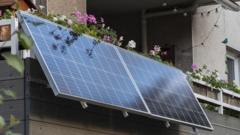
Understanding Plug-in Solar Panels: A Game-Changing Technology
Plug-in solar panels represent an innovative advancement in residential renewable energy solutions, and they are set to become increasingly available at retailers across the United Kingdom. This emerging technology offers homeowners a practical alternative to traditional rooftop solar installations, with the British government suggesting that these systems could enable properties to achieve significant reductions in their energy bills.
The introduction of plug-in solar panels into the mainstream market signifies a major shift in how households approach energy consumption and sustainability. Unlike conventional solar installations that require professional mounting and integration into a property's electrical system, these portable units offer greater flexibility and accessibility for diverse housing situations.
How Plug-in Solar Panels Function
Plug-in solar panels operate by converting sunlight directly into usable electricity through photovoltaic cells. The generated energy can be fed back into a household's existing electrical system through a standard power outlet, reducing the amount of electricity required from the national grid. This straightforward mechanism eliminates the need for extensive installation work, making the technology accessible to renters and homeowners alike.
The systems are designed to integrate seamlessly with standard household wiring. Users simply connect the device to a conventional wall socket, and the electricity generated immediately begins offsetting domestic energy consumption. This plug-and-play approach democratizes access to solar technology for households that previously faced barriers to installation.
Government Support and Energy Bill Reduction
The UK government has actively championed plug-in solar panel technology as part of its broader commitment to renewable energy adoption. Official statements indicate that homeowners utilizing these systems could achieve substantial cuts to their annual energy expenditures. The potential savings depend on various factors, including geographic location, seasonal sunlight availability, and household electricity consumption patterns.
By reducing reliance on grid-supplied electricity, plug-in solar panels contribute to both personal cost savings and national energy security objectives. The government's endorsement reflects confidence in this technology's capacity to deliver meaningful environmental and economic benefits across residential sectors.
Advantages of Plug-in Solar Panel Systems
Several compelling benefits distinguish plug-in solar panels from traditional alternatives. First, their portability enables homeowners to relocate units as needed, adapting to changing property circumstances. Second, installation requires minimal technical expertise, reducing associated costs and timelines considerably. Third, rental property occupants can utilize this technology without requiring landlord approval for permanent structural modifications.
Additionally, plug-in solar panels require considerably less initial capital investment compared to comprehensive rooftop installations. This reduced financial barrier makes renewable energy accessible to broader demographic groups, accelerating the transition toward sustainable household practices throughout the nation.
Retail Availability and Market Expansion
As plug-in solar panels prepare for widespread retail distribution, consumers will find these products increasingly accessible through conventional shopping channels. This expansion reflects growing market confidence in the technology's viability and consumer demand for practical renewable energy solutions. Retailers across the UK are positioning themselves to meet anticipated customer interest in this innovative category.
The movement toward mainstream retail availability represents a critical transition point for residential solar technology. Rather than remaining niche products requiring specialized suppliers, plug-in solar panels are entering the same commercial distribution networks that serve general household needs. This accessibility transformation should substantially accelerate adoption rates among the general population.
Energy Independence and Environmental Impact
Households adopting plug-in solar panel technology take meaningful steps toward energy independence while simultaneously contributing to environmental sustainability objectives. By generating renewable electricity locally, each installation reduces dependence on fossil fuel-based power generation. Collectively, widespread adoption could deliver substantial reductions in national carbon emissions associated with residential energy consumption.
The environmental credentials of plug-in solar panels align with long-term climate action commitments undertaken by the UK government. Supporting this technology's market expansion represents a practical mechanism for advancing renewable energy transitions at the household level, creating measurable environmental benefits across communities nationwide.
Considerations for Potential Adopters
Before purchasing plug-in solar panels, homeowners should evaluate several practical factors. Location and available sunlight exposure throughout the year significantly impact energy generation capacity. Properties with southern-facing outdoor spaces typically achieve optimal performance. Households should also assess their existing electrical infrastructure to ensure compatibility with plug-in system requirements.
Additionally, prospective users should research available products to identify systems offering quality construction, reliable warranties, and verified performance ratings. Comparing different manufacturers and models enables informed purchasing decisions aligned with individual household requirements and budgetary constraints.
Looking Forward: The Future of Residential Solar Technology
The emergence of plug-in solar panels signals evolving consumer attitudes toward renewable energy adoption and personal environmental responsibility. As this technology becomes more widely available and consumer awareness increases, residential solar installations are likely to become increasingly normalized across UK households. The government's supportive positioning should further accelerate market development and technology refinement.
Plug-in solar panels represent a practical pathway toward decentralized energy generation, offering households tangible mechanisms for reducing energy bills while advancing broader sustainability objectives. As these systems reach retail shelves nationwide, homeowners gain unprecedented opportunities to harness solar energy efficiently and affordably.


