Rising Energy Bills: Smart Ways to Lower Your Home Costs
Energy bills continue climbing. Discover practical strategies to reduce consumption and save money on electricity and gas expenses at home.
Understanding the Current Energy Bill Situation
Household budgets are facing mounting pressure as rising energy bills continue to impact consumers across the country. The steady increase in energy costs has prompted homeowners to seek effective solutions for managing their monthly expenses without compromising comfort or quality of life.
The challenge of dealing with rising energy bills requires a multifaceted approach that combines awareness with actionable strategies. Understanding what drives these costs and identifying practical measures can significantly impact your annual energy expenditure.
Key Factors Behind Increasing Energy Costs
Several elements contribute to the current landscape of elevated energy bills. Market dynamics, infrastructure maintenance, and supply chain fluctuations play important roles in determining the rates consumers pay for electricity and natural gas.
Beyond external market forces, individual consumption patterns directly influence the final amount due each billing cycle. Inefficient appliances, poor insulation, and unnecessary usage represent controllable factors that homeowners can address.
Practical Strategies to Reduce Energy Consumption
Optimize Your Heating and Cooling Systems
One of the most effective ways to address rising energy bills involves managing temperature regulation efficiently. Programmable thermostats allow you to set different temperatures for various times of day, ensuring you're not heating or cooling when nobody is home.
Regular maintenance of HVAC systems prevents efficiency loss and ensures optimal performance. Cleaning filters, sealing ductwork, and having professional inspections completed annually can preserve system efficiency and lower energy consumption significantly.
Upgrade to Energy-Efficient Appliances
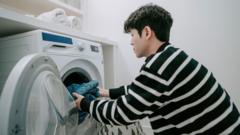
Kitchen and laundry appliances represent substantial energy consumers in most households. Replacing older models with ENERGY STAR certified alternatives can reduce consumption by 10-50%, depending on the appliance type.
Modern refrigerators, washing machines, and dishwashers incorporate advanced technology designed specifically to minimize water and electricity usage while maintaining performance standards that exceed older equipment.
Improve Home Insulation and Weatherization
Heat loss through windows, doors, and walls directly affects your heating requirements and rising energy bills. Weatherstripping, caulking gaps, and upgrading insulation in attics and basements prevent conditioned air from escaping.
Investing in double-pane windows or thermal window treatments provides additional barriers against temperature fluctuations, reducing the workload on your HVAC system year-round.
Smart Lighting and Electricity Management
Lighting represents approximately 15% of household electricity usage in many homes. Transitioning to LED bulbs reduces energy consumption by up to 80% compared to incandescent alternatives while lasting significantly longer.
Smart power strips eliminate phantom loads from devices left in standby mode. These devices consume electricity continuously, even when inactive, contributing meaningfully to inflated monthly bills.
Behavioral Changes That Impact Your Energy Bills
Beyond physical upgrades, modifying daily habits can yield immediate results in combating rising energy bills. Simple actions such as adjusting shower duration, using cold water for laundry, and running full loads in dishwashers and washing machines produce measurable savings.
Unplugging devices when not in use, closing doors to unused rooms, and utilizing natural ventilation during moderate weather seasons all contribute to reduced consumption patterns.
Taking Advantage of Available Assistance Programs
Many utility companies and government agencies offer programs designed to help consumers manage rising energy bills. Energy audits, often provided free or at reduced costs, identify specific inefficiencies in your home.
Weatherization assistance programs and utility rebates for appliance upgrades help offset initial investment costs. Research local initiatives in your area that provide financial support for energy-saving improvements.
Long-Term Solutions for Sustainable Savings
Considering renewable energy options such as solar panel installation provides lasting solutions to high energy costs. While initial investment requirements are significant, long-term savings and available tax incentives improve financial viability.
Energy storage systems paired with solar installations offer independence from grid fluctuations, providing protection against future rate increases and rising energy bills.
Monitoring and Adjusting Your Strategy
Regularly reviewing energy usage through utility bills and smart meter data reveals consumption patterns and identifies opportunities for additional reductions. Many utilities offer online portals providing hourly usage breakdowns.
Tracking improvements resulting from implemented changes reinforces positive behavioral patterns and motivates continued commitment to energy conservation efforts.
Addressing rising energy bills requires persistence and a combination of strategies tailored to your household's specific situation. By implementing multiple approaches simultaneously, homeowners can achieve substantial savings while reducing environmental impact.


