The Physical AI Revolution Rewiring the Global Economy
Vimal Kapur, Chairman and CEO of Honeywell argues that physical AI has the potential to create a more efficient, safer, and smarter world.
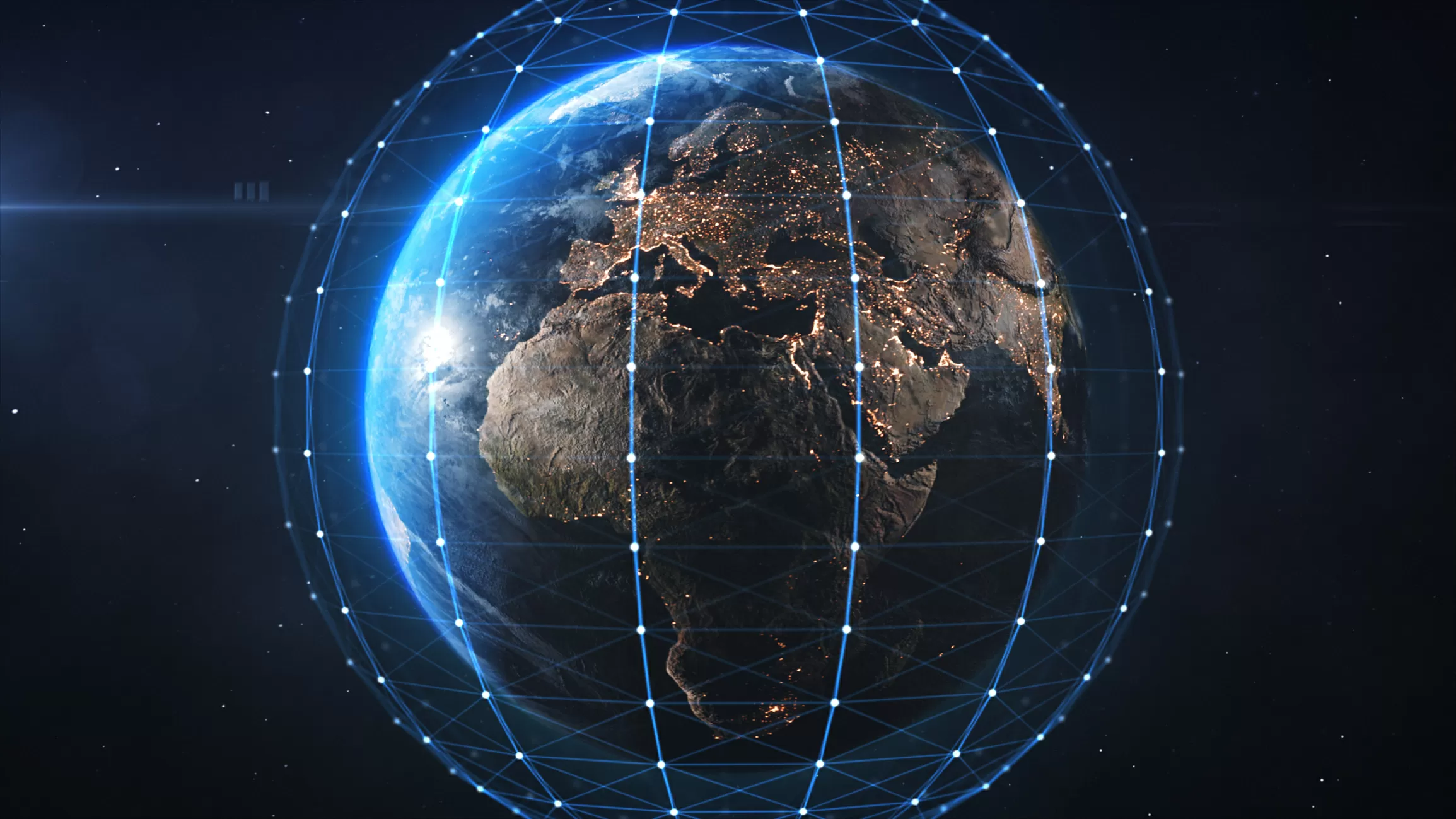
Artificial Intelligence (AI) has rapidly evolved in recent years, transforming various industries and reshaping the way we live and work. From virtual assistants to self-driving cars, AI has become an integral part of our daily lives. But what if AI could do more than just assist us in our daily tasks? What if it could also exist in the physical world, making it safer, more efficient, and smarter? According to Vimal Kapur, Chairman and CEO of Honeywell, this is not just a possibility, but a reality that has the potential to revolutionize our world.
In a recent interview, Kapur shared his vision for the future of AI and how the integration of physical AI can bring numerous benefits to society. As the leader of a multinational conglomerate company specializing in various technologies, including AI, Kapur is well-versed in the capabilities and potential of AI. He strongly believes that physical AI has the power to create a better world for all of us.
One of the main advantages of physical AI, as emphasized by Kapur, is its ability to enhance efficiency in various industries. With physical AI, machines and devices can now make decisions and perform tasks on their own, reducing the need for human intervention. This can result in significant improvements in productivity, as machines can work round the clock without getting tired or making errors. For instance, in the manufacturing industry, physical AI can optimize processes and reduce downtime, leading to increased output and reduced costs. This increased efficiency also has a positive impact on the environment by reducing waste and conserving resources.
Safety is another important aspect that Kapur highlights when discussing the potential of physical AI. The integration of AI in physical form can make hazardous tasks safer for humans. By utilizing sensors and advanced algorithms, machines can now identify potential risks and take appropriate actions to avoid accidents. For instance, in the construction industry, where workers are exposed to dangerous environments, physical AI can be used to monitor and analyze safety conditions, preventing accidents and saving lives. Similarly, in the healthcare sector, physical AI can assist healthcare professionals in surgeries, making them less prone to errors and resulting in better patient outcomes.
In addition to efficiency and safety, Kapur envisions that physical AI can also make our world smarter. With the ability to collect, analyze, and learn from data, physical AI can provide insights and predictions that can help us make better decisions. This can be particularly beneficial in areas such as transportation, where physical AI can optimize routes and reduce traffic congestion, or in agriculture, where it can assist in crop health monitoring and optimize irrigation systems. By making these processes more efficient, physical AI can contribute to a more sustainable and smarter world.
Moreover, the integration of physical AI can also bring about new and innovative solutions to some of the world's most pressing challenges. For instance, in disaster management, physical AI can be used to quickly assess the damage and prioritize rescue efforts, potentially saving more lives. In urban planning, it can assist in designing and building smart cities that are environmentally friendly and efficient. Physical AI can also play a crucial role in providing aid and support to remote or underdeveloped areas, helping to bridge the gap between developed and developing regions.
Despite the numerous benefits that physical AI can bring, some may express concerns about its potential impact on the job market. However, Kapur strongly believes that instead of replacing jobs, physical AI has the potential to create new ones. As machines take over mundane and repetitive tasks, it will allow humans to focus on more creative and higher-level jobs. This will lead to the creation of new roles, such as AI programmers and data analysts, and will also require upskilling and reskilling of the existing workforce, leading to a more skilled and competitive workforce.
In conclusion, the integration of physical AI has the potential to create a more efficient, safer, and smarter world. With its ability to enhance efficiency, improve safety, and provide innovative solutions, physical AI can bring about a positive change in various industries and ultimately contribute to a better society. As Vimal Kapur envisions, "Physical AI is not just a concept; it is a reality that can shape the future for the better." It is now up to us to embrace the potential of physical AI and harness its power to create a brighter and more prosperous future for all.