Trump Denies US Weapons Shortage Claims Amid Alleged Leaker Investigation
Trump refutes reports of US weapons shortage and vows to track down intelligence leakers. Learn about the alleged arms supply concerns facing America's military...
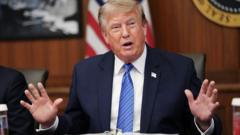
Trump Responds to Weapons Shortage Allegations
Former President Donald Trump has firmly denied suggestions of a US weapons shortage, asserting that such claims lack substantiation. While addressing concerns about the nation's military readiness, Trump emphasized that reports regarding the alleged US weapons shortage do not reflect the true state of America's defense capabilities. His comments come amid growing discussions within defense policy circles about the current status of the country's armed forces inventory.
Classified Data and Public Information Disparity
The debate surrounding weapons availability reveals a significant gap between classified military assessments and publicly disclosed information. Although precise operational details remain restricted due to national security protocols, available data indicates that certain munitions and weaponry with complex manufacturing processes have experienced notable depletion rates. These sophisticated systems require extended production timelines and specialized industrial capabilities, raising questions about replenishment capacity.
Focus on Intelligence Leakers
Trump has directed particular attention toward individuals he characterizes as sources of leaked information, pledging that those responsible for unauthorized disclosures would face intensive scrutiny. The former president's remarks suggest heightened concern about the release of sensitive defense information through unofficial channels. His statements reflect broader administration concerns about operational security and the protection of classified military assessments.
Manufacturing Challenges and Supply Lines
Military experts point to significant hurdles in the production and maintenance of advanced defense systems. The manufacture of precision-guided munitions, air defense systems, and other technologically advanced weapons platforms demands specialized facilities, rare materials, and highly trained workforces. Extended lead times for component sourcing and assembly create bottlenecks that can affect overall inventory levels across multiple defense sectors.
The complexity of modern weapons systems contrasts sharply with the streamlined production methods of earlier decades. Contemporary defense manufacturing requires integration of cutting-edge electronics, advanced materials, and sophisticated targeting systems—all of which contribute to extended timelines between initial order and final delivery to military units.
Strategic Military Readiness Concerns
Defense analysts and military strategists have increasingly examined the implications of potential shortfalls in weapons availability. While Trump maintains that concerns about US weapons shortage are exaggerated, independent assessments suggest that certain categories of munitions have seen rapid consumption rates. This is particularly evident in scenarios involving sustained military operations or significant defensive requirements.
National Security and Transparency
The intersection of classified military information and public discourse creates ongoing tensions. Government officials must balance the need for operational security with public understanding of defense preparedness. Trump's emphasis on locating information leakers underscores executive branch priorities regarding containment of sensitive military data. Unauthorized disclosures can compromise strategic advantages and alert potential adversaries to capability limitations.
Defense Industry Response and Production Scaling
American defense contractors have acknowledged increased demand signals within procurement channels. Several major weapons manufacturers have announced expansion plans for production facilities and workforce expansion to address anticipated requirements. These investments suggest industry recognition that current manufacturing capacity may require enhancement to meet sustained demand levels.
Looking Forward: Addressing Supply and Security
The ongoing discussion about US weapons shortage reflects broader conversations within the defense establishment regarding modernization, production capacity, and strategic inventory management. Trump's denial of shortage claims coexists with acknowledgment from military planners that certain systems require sustained replenishment. The resolution of this apparent contradiction likely depends on classification levels and the specific metrics used to assess adequacy within different weapons categories.


