Trump Threatens Iran Over Hezbollah as Diplomatic Talks Continue in Geneva
Trump issues stern warning to Iran regarding Hezbollah restraint during Swiss negotiations. Learn about the latest developments in US-Iran tensions and diplomat...
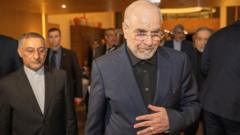
Trump Issues Warning During Swiss Negotiations
A significant escalation in Trump Iran negotiations has emerged as the US president issued direct threats toward Tehran over its support for Hezbollah operations in Lebanon. The warning was delivered while crucial diplomatic talks proceeded in Switzerland, marking a critical moment in ongoing international tensions between Washington and the Iranian regime.
Despite not being physically present at the negotiations, the American leader made clear his administration's stance regarding Iran's regional activities. The Trump Iran negotiations represent one of the most contentious diplomatic challenges facing the international community, with Hezbollah's military operations serving as a central point of contention.
The Role of Hezbollah in Escalating Regional Tensions
Hezbollah, the Lebanese militant organization with deep financial and military ties to Iran, remains at the center of bilateral disputes between the United States and Tehran. The organization's operations in Lebanon have drawn repeated criticism from Washington, which views Iranian support for Hezbollah as destabilizing to the region.
The Trump administration has consistently linked Iranian funding and weapons transfers to Hezbollah as a primary concern in negotiations. According to US assessments, the group maintains one of the most advanced military arsenals outside of state actors, financed substantially through Iranian resources.
Diplomatic Efforts Amid Heightened Tensions
The talks being conducted in Switzerland represent an attempt to establish dialogue despite mounting hostilities. International mediators have been working to bridge the significant gap between American demands for Iranian restraint and Tehran's insistence on its regional rights and security interests.
Negotiators from both sides have engaged in intensive discussions aimed at finding common ground. However, the Trump Iran negotiations have remained largely deadlocked over core issues, including the scope of any potential agreement and verification mechanisms to ensure compliance.
US Military Posture and Threatened Actions
The implicit threat of military action represents a significant escalation in rhetoric. American officials have previously indicated that failure to achieve diplomatic resolution could result in military intervention targeting Iranian interests in the region. This approach reflects the administration's broader doctrine of combining diplomatic pressure with credible military deterrence.
Regional analysts suggest that Trump's warning serves multiple purposes: signaling resolve to allies in the Middle East, pressuring Iranian negotiators at the diplomatic table, and preparing domestic audiences for potential escalation. The statement has already prompted responses from Iranian officials, who view the threat as incompatible with genuine negotiations.
International Reactions and Implications
Global observers have responded with concern to the heightened tensions surrounding Trump Iran negotiations. European allies have called for de-escalation, while regional powers monitor developments closely for signs of broader conflict. The situation remains fluid and unpredictable.
The outcome of the Swiss talks could have far-reaching consequences for Middle Eastern stability and international relations. A successful diplomatic breakthrough could ease tensions and establish frameworks for addressing mutual concerns. Conversely, failure to reach agreement could pave the way for more serious confrontations.
Moving Forward in Complex Diplomacy
Both sides face pressure to demonstrate flexibility while maintaining core interests. The Iranian regime must balance domestic political demands with international negotiations, while the American administration seeks to achieve objectives without committing to full-scale military engagement in the region.
The Trump Iran negotiations exemplify the challenges of modern international diplomacy, where rhetoric, military posturing, and genuine negotiation efforts intersect. The coming weeks will prove crucial in determining whether diplomatic channels remain open or whether tensions continue to escalate. International observers remain cautiously optimistic about the potential for negotiated settlements, though the current trajectory suggests considerable obstacles remain on the path to resolution.


