Trump Warns Oman Against Blocking Iran Nuclear Talks
Trump threatens military action against Oman over Iran nuclear negotiations as peace talks deadline approaches. Latest developments on Middle East tensions.
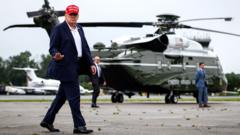
Trump Escalates Rhetoric Over Iran Nuclear Negotiations
In a striking display of diplomatic pressure, former President Donald Trump has issued stern warnings regarding Oman's role in ongoing Iran nuclear discussions. Trump threatens Oman with military consequences should the nation interfere with his administration's approach to resolving the Iran question. The statement marks an intensification of tensions as international actors scramble to navigate delicate peace talks surrounding nuclear proliferation in the Persian Gulf region.
The 60-Day Peace Negotiations Window
The backdrop to Trump's aggressive posturing involves a critical timeframe for diplomatic resolution. A 60-day window designated for peace negotiations has reached its conclusion, creating urgency among world powers attempting to broker agreements. This deadline has proven pivotal in shaping the rhetoric and actions of key players involved in Middle Eastern negotiations, particularly concerning Iran's nuclear ambitions and regional stability.
Oman's Strategic Role in Strait of Hormuz Discussions
Oman has positioned itself as an independent mediator in these high-stakes negotiations, simultaneously engaging in its own talks with Iran specifically aimed at reopening the Strait of Hormuz. This waterway represents one of the world's most critical maritime passages, through which approximately 21 percent of global petroleum trade flows annually. The sultanate's diplomatic initiatives demonstrate its commitment to regional de-escalation and economic restoration through open maritime corridors.
Understanding Oman's Strategic Position
Located at the southeastern tip of the Arabian Peninsula, Oman has historically maintained a balanced foreign policy, avoiding excessive alignment with either Western powers or Iran. The nation's government recognizes that reopening the Strait of Hormuz benefits not only Iran but the entire global economy. By conducting independent negotiations with Tehran, Oman seeks to establish conditions for maritime commerce resumption while maintaining its traditional neutrality in regional disputes.
Trump's Military Threats and Diplomatic Implications
Trump threatens Oman based on the perception that independent diplomatic channels could undermine his administration's negotiating position regarding Iran's nuclear program. His warning suggests a zero-tolerance approach toward any nation attempting to negotiate separately with Iran without direct American involvement. These threats represent a departure from traditional diplomatic protocols, where neutral mediators are typically encouraged rather than discouraged.
The Consequences of Military Posturing
Such aggressive rhetoric carries significant risks for regional stability and international relations. Military threats directed at a small but strategically important nation can trigger defensive responses and alliance realignment. Oman, despite its modest military capabilities, maintains important relationships throughout the region and could shift its diplomatic alignment if pressured excessively by outside powers.
Global Economic Stakes and Energy Security
The Strait of Hormuz closure or restriction severely impacts global energy markets. Oil prices immediately respond to any perceived disruption in this critical passage. The international community relies on unimpeded access through these waters for economic stability. Oman's efforts to negotiate restoration of normal transit conditions serve broader global interests beyond regional geopolitics.
Impact on Oil Markets and Global Economy
Closure of the strait would immediately elevate crude oil prices, affecting consumers worldwide and straining already fragile economic recovery. Energy-dependent nations particularly vulnerable to supply disruptions view Oman's diplomatic efforts as essential for maintaining affordable fuel supplies and economic predictability. Trump's threats, if enacted, could paradoxically harm American economic interests by destabilizing energy markets.
International Response and Diplomatic Concerns
World powers have expressed concern over Trump's militaristic language toward an ally. Traditional American allies in Europe and Asia question whether such threats promote constructive dialogue or escalate unnecessary tensions. Diplomatic observers note that threatening neutral mediators typically produces counterproductive outcomes in international relations, potentially pushing smaller nations toward adversarial alignments.
Precedent and International Law
Military threats against sovereign nations that pose no direct threat to American security raise questions about proportionality and international law compliance. The United Nations Charter emphasizes peaceful dispute resolution, and member states are expected to refrain from threatening force except in cases of legitimate self-defense. Oman's diplomatic activities, while perhaps diverging from American preferences, do not constitute aggression justifying military responses.
Looking Forward: Nuclear Diplomacy and Regional Stability
The expiration of the 60-day negotiation window marks a critical juncture for Iran policy and Middle Eastern stability. Trump threatens Oman as these decisive moments approach, suggesting his administration intends to take a hardline approach regardless of diplomatic progress. The coming weeks will determine whether dialogue channels remain open or whether confrontation becomes inevitable.
Oman's continued diplomatic engagement despite American pressure demonstrates the importance of persistent mediation in resolving intractable international disputes. The nation's efforts to reopen the Strait of Hormuz and facilitate nuclear negotiations represent essential contributions to global stability and prosperity. How the international community responds to these efforts—and whether diplomatic solutions prevail over military threats—will significantly impact regional peace for years ahead.


