Trump's Economic Offensive Against Iran: Potential Impact Analysis
Explore how Trump's aggressive economic policies could affect Iran's resilient economy and its strategies to counteract international sanctions.
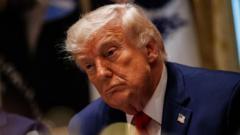
Trump's Economic Offensive Against Iran: Understanding the Potential Consequences
The prospect of Trump's aggressive economic strategy against Iran raises critical questions about the country's capacity to withstand intensified financial pressure. Trump's economic offensive, often referred to as a comprehensive economic approach, could significantly reshape Iran's already fragile economic landscape. Throughout recent decades, Iran has repeatedly demonstrated remarkable ingenuity in circumventing extensive international sanctions, yet the scale and nature of potential new measures present unprecedented challenges.
Iran's Historical Resilience Against Sanctions
Iran's economy has long been subject to stringent international restrictions designed to isolate its financial systems and limit its access to global markets. The nation has historically shown considerable adaptability when confronting economic constraints. Iranian officials and economists have developed sophisticated mechanisms to maintain essential trade relationships and preserve economic functionality despite external pressures.
The Islamic Republic has employed various strategies, including establishing alternative payment systems, diversifying trading partners, and leveraging underground financial networks. These approaches have allowed Iran to maintain a degree of economic stability, even when facing substantial restrictions from Western nations and their allies.
The Scale of Trump's Proposed Economic Measures
Trump's economic offensive represents a potentially more comprehensive and aggressive approach than previous sanctions regimes. The proposed measures could encompass broader restrictions on Iran's oil exports, stricter enforcement mechanisms targeting third-party nations engaging in Iranian trade, and expanded financial sector limitations. Such an escalation would test the limits of Iran's existing coping mechanisms.
Energy exports constitute a critical revenue source for Iran's government and economy. Any significant restrictions on oil sales would create substantial budgetary shortfalls, potentially affecting government spending on essential services, infrastructure development, and military expenditures. The cumulative effect of intensified economic pressure could force Iran to reconsider its strategic priorities.
Potential Vulnerabilities in Iran's Economic Structure
Despite previous successes in navigating sanctions, Iran's economy faces significant structural weaknesses that could amplify the impact of new restrictions. The Iranian currency has experienced considerable volatility, inflation remains persistently elevated, and unemployment, particularly among young people, continues to pose challenges.
The banking sector, already isolated from international financial systems, would face additional strain under expanded restrictions. Foreign investment in Iran remains minimal due to existing sanctions, limiting the country's capacity to modernize infrastructure and develop new economic sectors. These pre-existing vulnerabilities suggest that intensified economic measures could produce more severe consequences than previous sanctions.
Implications for Regional Stability
Economic hardship can trigger social unrest and political instability within nations. If Trump's economic approach produces significant domestic disruption in Iran, it could have broader implications for regional security. Economic desperation might influence Iran's foreign policy decisions and its approach to regional conflicts.
The interconnection between economic conditions and geopolitical behavior underscores the strategic importance of understanding potential economic impacts. Policymakers must consider not only the immediate economic consequences but also the ripple effects across diplomatic relations and regional stability.
International Compliance and Enforcement Challenges
The effectiveness of Trump's economic offensive would depend significantly on international cooperation and enforcement. Previous sanctions efforts achieved varying degrees of success partly due to differing international perspectives on Iran policy. Some nations and international entities have shown reluctance to fully comply with maximum pressure approaches.
New economic measures would require sustained political will among trading partners and enforcement mechanisms to prevent circumvention. The success of any comprehensive economic strategy against Iran depends on coordinating policies with other nations and preventing workarounds through alternative trade routes and financial channels.
Conclusion: Weighing Economic Impact Against Broader Consequences
While Trump's economic offensive could impose substantial hardship on Iran's economy, the full extent of its impact remains uncertain. Iran has demonstrated adaptability in responding to sanctions, yet the cumulative strain of intensified restrictions could produce unprecedented economic consequences. Understanding these dynamics requires careful analysis of Iran's vulnerabilities, the scale of proposed measures, and the international cooperation necessary for implementation.


