UK Emergency Stockpile Campaign Drives Bottled Water Sales Surge
UK government's emergency preparedness campaign sparks bottled water and tinned food sales surge. Retailers report increased demand for 72-hour supplies.
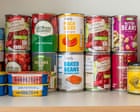
Bottled Water Sales Surge Following Government Emergency Guidance
The United Kingdom has witnessed an unprecedented spike in bottled water purchases as households respond to official government recommendations for emergency preparedness. Following the launch of a national initiative designed to encourage families to maintain adequate supplies for unforeseen circumstances, retailers across the country have reported dramatic increases in consumer spending on essential items including beverages, preserved foods, and safety equipment.
The surge in bottled water sales represents a significant shift in consumer behavior, with shoppers prioritizing household emergency readiness in response to government guidance. This trend extends beyond water consumption, encompassing a broader range of items traditionally associated with disaster preparedness and crisis management.
The Be Ready Campaign and Its Impact
The UK government's "Be Ready" initiative, unveiled in recent weeks, has fundamentally altered purchasing patterns among British households. The campaign specifically encourages families to stockpile essential supplies capable of sustaining them for a 72-hour period without access to external resources or services.
This comprehensive approach to emergency preparation encompasses multiple categories of goods. Beyond bottled water and tinned food supplies, the campaign has generated considerable interest in self-powered equipment such as wind-up radios and battery-powered torches. These items serve dual purposes in emergency scenarios, providing both communication capabilities and illumination during potential infrastructure disruptions.
Retailer Responses to Increased Demand
Supermarkets and retail chains throughout the nation have observed pronounced increases in sales volumes across emergency preparedness categories. Store managers have confirmed that customers are purchasing items in quantities significantly higher than normal consumption patterns would suggest, indicating deliberate stockpiling behavior aligned with government recommendations.
The demand surge has created logistical challenges for retailers managing inventory levels. Distribution centers have increased orders to replenish shelves depleted by heightened consumer activity. Supply chain managers have reported working overtime to meet the unexpected demand for bottled water, canned goods, and emergency equipment.
Types of Emergency Scenarios Driving Consumer Concern
Government guidance cites multiple potential emergency situations justifying the recommendation for household stockpiles. Extreme weather events, including severe storms and flooding, represent one category of concern driving the bottled water sales increase. Additionally, officials have highlighted vulnerability to cyber-attacks targeting critical infrastructure systems.
Such attacks could potentially disrupt water treatment facilities, electricity distribution networks, and supply chain logistics. The possibility of temporary service interruptions has prompted families to take proactive measures, ensuring access to essential resources during recovery periods. This forward-thinking approach aligns with established emergency management protocols utilized by government agencies and disaster relief organizations.
Consumer Psychology Behind Emergency Preparedness
The response from UK households reflects broader patterns in consumer behavior during periods of heightened uncertainty. When authoritative institutions provide explicit guidance regarding potential risks, populations typically increase their defensive purchasing behaviors. The government's visibility and credibility in communicating emergency preparedness recommendations significantly influences household decision-making.
Families recognize that bottled water sales spikes correlate with serious consideration of genuine risks. Official campaigns validating emergency concerns encourage consumers to transition from passive concern to active preparation. This psychological shift transforms abstract worries into concrete purchasing actions.
Timeline and Scale of the Sales Surge
The dramatic increase in bottled water and tinned food sales commenced immediately following the public announcement of the Be Ready campaign. Retailers documented measurable increases within days of the initiative's launch, with some establishments reporting sustained elevated demand continuing into subsequent weeks.
The scale of this consumer response demonstrates the considerable reach and impact of government communications. Millions of UK households have responded to official guidance, collectively creating supply demand patterns that ripple throughout retail and logistics networks. This coordinated consumer action, though individually motivated by household security concerns, produces macroeconomic effects across multiple business sectors.
Emergency Supply Recommendations and 72-Hour Planning
The government's specific recommendation for 72-hour emergency supplies reflects established crisis management standards. Three days represents sufficient time for emergency services to mobilize, alternative supply routes to activate, and infrastructure systems to initiate recovery procedures during most common emergency scenarios.
Households following this guidance typically stockpile non-perishable food items including tinned goods, dried provisions, and preserved foods requiring no preparation. Bottled water remains the cornerstone of emergency supplies, with standard recommendations suggesting one gallon per person daily for drinking and basic hygiene purposes. Over a 72-hour period, this calculation determines the quantity families should maintain in readily accessible storage locations.
Broader Implications for UK Emergency Preparedness
The successful response to the Be Ready campaign indicates that structured government communication regarding emergency preparedness effectively motivates household action. This demonstration of public responsiveness provides valuable data for policymakers considering future emergency management strategies and public health initiatives.
The surge in bottled water and consumer preparedness supplies represents tangible evidence that UK citizens take official guidance seriously and willingly invest resources to protect their families and dependents. This level of public engagement strengthens overall societal resilience and reduces potential crisis management burdens on emergency services during actual disaster events.