UK Implements Emergency Restrictions on Single-Use Grills Amid Wildfire Crisis
Government bans disposable BBQ sales due to wildfire risk during severe drought. Discover why single-use grills pose public safety threats in extreme heat condi...
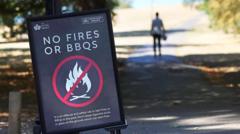
Emergency Ban on Single-Use Grill Sales Addresses Critical Wildfire Threat
The government has announced a temporary prohibition on the sale of disposable BBQs to combat escalating wildfire dangers across the nation. This disposable BBQ ban represents a decisive regulatory response to unprecedented environmental conditions characterized by prolonged drought and record-breaking temperatures that have created hazardous circumstances for communities nationwide.
Officials have classified single-use grills as presenting a "significant risk to the public" during this critical period. The restrictions underscore growing governmental concern about uncontrolled fire propagation in vulnerable regions where weather patterns have created tinderbox-like conditions.
Understanding the Wildfire Prevention Strategy
The temporary suspension of disposable BBQ sales forms part of broader wildfire prevention initiatives designed to minimize preventable ignition sources. Environmental experts have long identified portable grills as contributing factors to landscape fires, particularly when used improperly or in high-risk areas during extreme weather events.
Single-use disposable grills present unique hazards because they are frequently purchased by consumers with minimal fire safety experience. Unlike permanent barbecue installations, these portable units offer limited structural stability and inadequate ash containment systems. When discarded or used carelessly during drought conditions, they become catalysts for uncontrolled fires that can spread rapidly across dry vegetation.
Drought Conditions and Heatwave Implications
Current meteorological patterns have intensified fire vulnerability across multiple regions. Extended periods without adequate rainfall have depleted soil moisture reserves and reduced water availability for fire suppression efforts. Simultaneously, sustained heatwave conditions have elevated ambient temperatures to levels that facilitate rapid fire ignition and propagation.
The combination of persistent drought and extreme heat creates an environment where even minor sparks can develop into uncontrollable wildfires. Landscape vegetation has become increasingly desiccated, reducing the moisture content necessary to resist combustion. In such circumstances, traditional recreational activities like outdoor barbecuing become substantially more dangerous.
Public Safety Considerations and Risk Assessment
Government health and safety officials have assessed the aggregate risk posed by widespread single-use grills availability during this critical period. Their analysis demonstrates that the collective danger posed by numerous portable barbecues operating simultaneously across populated and semi-populated areas outweighs recreational benefits.
The temporary restrictions target point-of-sale prevention, making these products unavailable through retail channels during the most hazardous season. This approach aims to reduce the total number of grills in circulation without implementing broader consumer restrictions or penalties.
Emergency management authorities have emphasized that this measure complements other wildfire mitigation strategies, including public awareness campaigns, vegetation management programs, and enhanced fire service readiness protocols.
Expected Duration and Implementation Framework
The disposable BBQ ban remains temporary, with authorities establishing review dates based on meteorological improvements and drought conditions. As precipitation increases and temperatures moderate, regulatory constraints may be gradually relaxed, allowing retail sales resumption once wildfire risk returns to manageable thresholds.
Retailers have been directed to cease inventory displays and sales of affected products, with government agencies providing detailed guidance regarding affected grill categories and compliant alternatives. Consumers are encouraged to utilize permanent outdoor cooking installations or indoor cooking methods during this restriction period.
Long-Term Implications for Public Policy
This emergency action may influence future regulatory frameworks surrounding seasonal recreational product availability. Environmental agencies are examining whether periodic restrictions on high-risk items should become standard practice during predictable high-danger seasons in vulnerable regions.
The government's intervention reflects evolving perspectives on climate-related public safety, where traditional recreational freedoms are increasingly balanced against collective environmental risks. As climate patterns continue producing more frequent and intense drought-heatwave combinations, policymakers anticipate that similar emergency measures may require implementation in future years.
Authorities remain committed to providing timely updates regarding the wildfire prevention initiative's progress and anticipated timeline for the disposable BBQ sales restrictions' conclusion.


