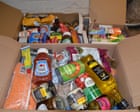
UK Residents Stockpile Essentials Following Government Emergency Preparedness Campaign
British households are stockpiling tinned food, water, and power banks after official government recommendations to store three days of emergency supplies for c...

Government Launches Official Emergency Stockpiling Initiative
The UK government has initiated a comprehensive campaign urging citizens to engage in government emergency preparedness by assembling three days' worth of essential supplies. This strategic recommendation addresses multiple potential crises, from infrastructure failures to environmental disasters and security threats. Many British residents have already begun implementing these guidelines, transforming their homes into well-stocked emergency refuges.
The government emergency preparedness framework emphasizes the importance of advance planning and resource accumulation. Officials highlight that such preparations can make a significant difference during unexpected disruptions to normal services, whether stemming from natural disasters, technological failures, or other unforeseen circumstances affecting public infrastructure and supply chains.
What British Households Are Stockpiling
UK residents responding to the government campaign are acquiring diverse emergency supplies that extend well beyond traditional expectations. Tinned foods with long shelf lives, bottled water for hydration and sanitation, pharmaceutical supplies, and portable power solutions represent the core components of most household reserves. These items reflect a thoughtful approach to emergency planning that considers both immediate survival needs and extended comfort during disruptions.
Beyond basic provisions, many households are assembling comprehensive emergency kits. First aid supplies, battery-powered radios, flashlights, and alternative heating sources complement food and water stores. Some residents are purchasing portable power banks and solar charging devices, recognizing that modern emergencies often involve electrical grid failures affecting everything from heating systems to communications devices.
Drivers Behind Increased Preparedness Awareness
Multiple factors have motivated this surge in emergency preparation among British citizens. Official warnings regarding Russian state-sponsored terrorism activities have heightened security consciousness throughout the nation. Simultaneously, accelerating climate change impacts—including unprecedented weather events, flooding, and infrastructure strain—have demonstrated the real possibility of service disruptions affecting ordinary communities.
The timing of the government's campaign reflects these cumulative concerns. Rather than representing alarmism, the recommendations appear calibrated to realistic risk assessment. Three days of stored supplies represent a manageable, achievable standard for most households while providing substantial insurance against common emergency scenarios.
Public Response and Adoption Rates
Initial public response to the government emergency preparedness initiative has been notably positive, with retailers reporting increased sales of tinned goods, bottled water, and emergency supplies. This response suggests that many British residents already possessed underlying concerns about potential disruptions and welcomed official validation for taking preparatory action.
Some households have approached stockpiling systematically, creating detailed inventories and rotating supplies to maintain freshness. Others have adopted more gradual approaches, incrementally building reserves as budgets allow. Educational campaigns accompanying the government initiative have helped normalize emergency preparedness as prudent household management rather than extreme prepping behavior.
Practical Guidance for Emergency Preparation
Experts advise that effective government emergency preparedness requires strategic planning rather than panic purchasing. Prioritizing non-perishable foods that families already enjoy makes supplies more likely to be used and replaced regularly. Storing water at approximately one liter per person daily ensures adequate hydration reserves without excessive storage space requirements.
Medication stockpiling deserves particular attention, as prescription renewal restrictions often prevent hoarding. Consulting healthcare providers about maintaining slightly larger supplies during normal prescription refill cycles addresses this challenge legally and safely. Similarly, medical equipment backup supplies—including batteries for devices and testing supplies for chronic conditions—represent often-overlooked essentials.
Power management has emerged as a critical consideration in modern emergency preparedness. Portable power banks, battery-powered chargers, and backup power solutions enable continued device operation when electrical infrastructure fails. This consideration reflects the contemporary reality that communications, heating, refrigeration, and countless other essential functions depend on reliable power availability.
Looking Forward: Preparedness as Standard Practice
The government emergency preparedness campaign appears poised to establish household stockpiling as mainstream practice rather than niche concern. This normalization potentially strengthens overall community resilience while reducing panic-driven purchasing during actual crises.
As climate impacts intensify and geopolitical tensions persist, maintaining modest emergency reserves represents increasingly standard household management. The British response to official guidance demonstrates public recognition that preparedness contributes to both individual security and household stability during whatever disruptions may emerge in an uncertain future.