Ukraine Strikes Halt Fuel Sales in Russian-Occupied Crimea
Fuel sales suspended in occupied Crimea as Ukraine targets Russian oil facilities. Supply routes disrupted, intensifying energy crisis in contested territories.
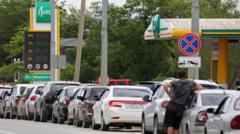
Fuel Sales Suspension in Occupied Crimea Amid Ukrainian Operations
Fuel sales have been halted across Russian-occupied Crimea following a series of strategic strikes by Ukrainian forces targeting critical oil infrastructure. The suspension of fuel sales represents a significant escalation in the ongoing conflict, as Kyiv continues to disrupt energy supply chains in territories under Russian control. This development underscores the intensifying pressure on logistics networks that support military and civilian operations in the peninsula.
Background of Supply Disruptions
Prior to the complete suspension of fuel sales, rationing measures had already been implemented throughout occupied Crimea. These restrictions emerged as a direct consequence of systematic attacks conducted by Ukrainian military forces against vital supply corridors and transportation routes connecting Russian-held territories. The fuel shortage that prompted these rationing policies reflects the vulnerability of energy infrastructure in militarized zones.
Strategic Impact of Infrastructure Targeting
Ukraine's approach to targeting oil facilities has become increasingly precise and coordinated. By focusing on supply routes and refining infrastructure, Ukrainian forces have effectively constrained the availability of petroleum products across occupied regions. The strategy demonstrates the importance of energy security in modern conflict, where disrupting fuel supplies can have cascading effects on military readiness, industrial capacity, and civilian services.
Implications for Occupied Territories
The halt in fuel sales creates immediate challenges for both military operations and civilian populations in Crimea. Transportation networks face severe constraints, commercial activities are disrupted, and power generation capacity may be compromised. These factors combined illustrate how energy infrastructure has become a central battleground in the broader conflict.
Broader Energy Security Concerns
The situation in Crimea reflects wider patterns of energy vulnerability across Russian-occupied territories. Critical infrastructure, including oil refineries, distribution terminals, and pipeline networks, has become a focal point for Ukrainian military operations. This targeting strategy aims to degrade Russian logistics capabilities while raising costs for maintaining control over contested areas.
Supply Chain Vulnerability
Russian energy supply chains in the region have proven susceptible to disruption. The routes that typically channel fuel from refineries to distribution centers have been identified and targeted effectively. This vulnerability exposes structural weaknesses in Russian military logistics, requiring constant effort to maintain adequate supplies for sustained operations.
Humanitarian and Economic Dimensions
Beyond military implications, fuel sales suspension affects ordinary citizens dependent on petroleum products for heating, transportation, and essential services. The rationing that preceded the complete halt indicates severe shortages that impact daily life across occupied Crimea. Long-term consequences may include economic contraction, increased dependence on alternative energy sources, and accelerated population displacement.
International Context and Precedent
Attacks on energy infrastructure represent a continuation of a broader conflict pattern. Throughout the ongoing hostilities, both sides have targeted opponent infrastructure, though the scale and strategic focus vary. Ukraine's operations against fuel sales networks in Crimea represent a calculated approach to degrading Russian military effectiveness through economic pressure.
Strategic Escalation
The intensification of strikes against oil facilities marks a notable escalation in the conflict's energy dimension. Previous attacks focused on larger refining complexes, while current operations target distribution infrastructure and supply bottlenecks. This evolution suggests a maturing strategy aimed at maximum disruption with available resources.
Forward Trajectory and Potential Developments
The suspension of fuel sales in occupied Crimea will likely prompt Russian responses aimed at protecting or relocating critical infrastructure. Alternative supply routes may be established, though each represents additional vulnerability to Ukrainian targeting. The situation remains fluid, with the potential for further escalation or adaptation by either side.
The broader implications of fuel sales halts extend beyond immediate military considerations. Energy security has emerged as a defining feature of this conflict, influencing strategic calculations, resource allocation, and the sustainability of occupation. As Ukraine continues developing capabilities to strike infrastructure across greater distances, fuel availability in occupied territories will remain a critical vulnerability for Russian operations.


