US Treasury Chief Warns Iran of Unprecedented Economic Isolation Offensive
Scott Bessent announces the most severe financial offensive against Iran ever, threatening economic isolation for nations that partner with Tehran. Full details...
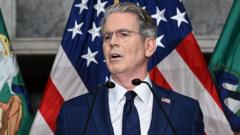
US Announces Unprecedented Economic Isolation Campaign Against Iran
The United States is preparing to implement what officials describe as the most comprehensive economic isolation strategy targeting Iran in modern history. Scott Bessent, serving as Treasury Secretary, declared that the administration intends to completely sever all financial and economic connections with the Islamic Republic, marking an escalation in existing pressure campaigns.
This Iran economic isolation initiative represents a significant shift in how Washington approaches its relationship with Tehran. The Treasury Department's position signals that no aspect of bilateral economic cooperation will remain untouched, from trade relationships to financial transactions and banking interactions.
Warning to International Partners
Beyond direct measures against Iran itself, Bessent made clear that the consequences would extend to any nation choosing to maintain financial partnerships with Tehran. Countries engaging in economic collaboration with Iran would face comparable isolation measures, effectively creating a choice between continuing relations with the United States or with Iran.
This dual-pressure approach fundamentally alters the landscape of international economic relationships. Nations currently maintaining trade ties or financial arrangements with Iran must now evaluate their geopolitical positions carefully, knowing that sustained economic engagement with Tehran carries substantial costs to their own economic relationships with American institutions and markets.
Scope of the Financial Offensive
The Iran economic isolation campaign encompasses multiple dimensions of financial activity. Banking institutions would be restricted from processing transactions related to Iranian entities, while sanctioning mechanisms would target investment flows, trade partnerships, and access to global financial systems. The comprehensive nature of this approach distinguishes it from previous targeted sanctions programs.
Scott Bessent Iran sanctions represent an evolution in enforcement strategy. Rather than focusing on specific sectors or individuals, the new framework aims to create total disconnection from the global economy. This methodology increases pressure on decision-makers within Iran's government and financial sector, potentially forcing difficult choices regarding economic priorities and international positioning.
International Financial Pressure Mechanisms
The implementation of such extensive sanctions requires coordination across multiple enforcement agencies and international partners. The Treasury Department would work through various mechanisms, including secondary sanctions against financial institutions worldwide that maintain connections to Iranian entities. These international financial pressure techniques have proven effective in previous campaigns, though none have attempted such comprehensive coverage.
Countries holding significant trade relationships with Iran face difficult decisions. Nations in the Middle East, Asia, and Europe that have developed economic ties with Tehran must now weigh whether maintaining these connections justifies potential consequences from the American financial system. For many nations, access to dollar-denominated markets and US banking infrastructure represents irreplaceable economic advantages.
Historical Context of US-Iran Relations
The announcement from Scott Bessent Iran sanctions official marks another chapter in decades-long economic conflict between Washington and Tehran. Previous administrations employed sanctions as foreign policy tools, but the scope outlined by Bessent appears designed to minimize any remaining economic flexibility for Iran's government and private sector.
Historical precedent suggests that comprehensive economic isolation can create significant hardship within target nations. However, analysts debate whether such measures ultimately achieve desired political objectives or strengthen the positions of hardline elements within Iran's government structure. The current initiative will likely generate similar scholarly and policy discussions regarding effectiveness and long-term implications.
Economic Ripple Effects Across Regions
Iran economic isolation at this scale inevitably generates economic consequences throughout affected regions. Oil markets, currency exchanges, and trade patterns across the Middle East and Asia would adjust to reflect the new financial reality. Countries with significant Iranian trade exposure, including China and India, would face particular pressure as they balance their economic interests against American financial leverage.
The announcement signals that the United States intends to weaponize its position within the global financial system more aggressively. Given that much of worldwide commerce depends on accessing US dollar markets and American banking infrastructure, this leverage provides substantial enforcement capabilities. However, such comprehensive approaches also create incentives for other nations to develop alternative financial systems less dependent on American institutions.
Strategic Implications and Future Outlook
This Iran economic isolation strategy reflects broader shifts in American foreign policy approach. Rather than negotiation and diplomacy, the current emphasis centers on maximum economic pressure designed to force capitulation on specific policy matters. Whether this approach succeeds depends on multiple variables, including Iran's willingness to accept economic hardship and the capacity of other nations to provide alternative economic partnerships.
Scott Bessent Iran sanctions announcement provides clear notice of American intentions. The Treasury Department appears determined to leave no room for nations to benefit from engagement with Tehran while maintaining relationships with the United States. This binary choice framework reshapes international economic calculations and potentially drives significant realignments in global commerce and diplomatic alignments.


