Advanced Microscope Technology Offers New Hope for IBD Treatment Discovery
Groundbreaking microscope technology operating at 10x resolution aims to uncover root causes of inflammatory bowel disease and revolutionize treatment options f...
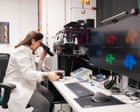
Revolutionary Microscope Technology Targets Inflammatory Bowel Disease
Researchers are leveraging cutting-edge microscope technology to unlock the mysteries surrounding inflammatory bowel disease, potentially transforming how scientists approach treatment development for millions of patients globally. This breakthrough represents a significant advancement in understanding the mechanisms underlying conditions like Crohn's disease and ulcerative colitis, which continue to affect countless individuals seeking effective therapeutic solutions.
Understanding the Scale of IBD Challenge
The prevalence of inflammatory bowel disease has reached alarming levels, particularly among younger demographics. According to the British Society of Gastroenterology, more than half a million individuals across the United Kingdom are currently living with IBD, representing a substantial public health concern. This growing patient population underscores the urgent need for innovative research approaches and novel treatment methodologies that can address the underlying causes rather than merely managing symptoms.
The 'Curie' Microscope: A Game-Changing Innovation
The newly developed microscope, known as 'Curie,' represents a paradigm shift in research capabilities. Operating at ten times the resolution of conventional microscopy systems, this sophisticated instrument enables scientists to observe cellular structures and biological processes at unprecedented levels of detail. Such enhanced visualization capabilities facilitate the identification of subtle abnormalities and disease mechanisms that conventional imaging technologies cannot detect, opening unprecedented avenues for scientific discovery.
How Advanced Resolution Accelerates Research
The tenfold increase in microscopic resolution provides researchers with the ability to examine tissue samples with extraordinary precision. This enhanced capability allows scientists to observe the intricate cellular interactions that characterize inflammatory bowel disease, potentially revealing the fundamental biological pathways that drive disease progression. By identifying these root causes, researchers can develop targeted therapeutic interventions specifically designed to address the underlying mechanisms rather than focusing solely on symptom management.
Crohn's Disease and Ulcerative Colitis: The Primary IBD Forms
Inflammatory bowel disease manifests primarily through two conditions: Crohn's disease and ulcerative colitis. Both conditions are characterized by chronic inflammation of the digestive tract, causing significant morbidity and substantially impacting quality of life. Despite affecting millions worldwide, these conditions remain largely incurable with current treatment options, making research into their fundamental mechanisms critically important for advancing medical science and patient outcomes.
Global Impact and Rising Prevalence
The worldwide prevalence of debilitating and incurable bowel conditions continues its upward trajectory, particularly among young adults and teenagers. This demographic shift highlights the urgent necessity for innovative research approaches that can penetrate the complexity of these diseases. The development of technologies like the 'Curie' microscope represents a crucial investment in understanding why these conditions develop and progress, ultimately enabling the creation of novel therapeutic strategies.
Future Treatment Possibilities
Researchers anticipate that the enhanced capabilities provided by this advanced microscope technology will catalyze discoveries leading to revolutionary new treatment approaches. By examining tissue samples at unprecedented magnification levels, scientists may identify previously unknown disease markers, cellular abnormalities, and therapeutic targets. These discoveries could potentially translate into clinical treatments that not only alleviate symptoms but also address the fundamental causes of inflammatory bowel disease, transforming patient outcomes and quality of life for millions suffering from these debilitating conditions worldwide.