Romania Closes Cernavodă Nuclear Plant Amid Danube River Water Crisis
Romania's only nuclear power plant has shut down due to critically low Danube River water levels caused by extreme heat. The facility generates 20% of the natio...
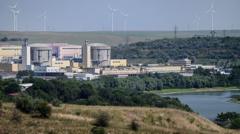
Romania's Nuclear Power Facility Halts Operations
Romania has temporarily suspended operations at its sole nuclear power generation facility following a severe Danube River water crisis triggered by unprecedented heat conditions across the region. The Cernavodă nuclear plant, which supplies approximately 20% of Romania's total electricity output, has ceased all operations due to the dramatic decline in Danube River water levels.
The prolonged high temperatures have created an environmental challenge that threatens the nation's energy infrastructure. Water availability is critical for the cooling systems essential to nuclear plant operations, making the Danube River water crisis a central concern for energy authorities.
Impact on National Energy Supply
The shutdown of this significant generation facility represents a substantial loss to Romania's power supply network. With the Cernavodă nuclear plant contributing one-fifth of the country's electricity production, the extended closure poses considerable challenges for maintaining adequate energy distribution across the nation.
Energy officials have assessed the situation and determined that the facility is unlikely to resume normal operations for at least the next 10 days. This timeline may extend further depending on whether environmental conditions improve and water levels in the Danube River begin to recover.
Extreme Heat and Environmental Factors
The broader European heat wave has intensified water stress across multiple river systems, with the Danube River experiencing abnormally low levels. This natural crisis affects not only power generation but also navigation, agriculture, and industrial activities dependent on the waterway.
Climate experts have observed that such extreme temperature events are becoming increasingly frequent, placing additional pressure on infrastructure designed for historical water availability patterns. The current situation highlights the vulnerability of energy systems reliant on water resources during periods of climatic stress.
Regional Energy Implications
As Europe continues to grapple with energy security concerns, Romania's reliance on nuclear power for a significant portion of its electricity supply underscores the importance of maintaining operational capacity. The Danube River water crisis comes at a time when European nations are focused on energy independence and reducing dependency on external power sources.
The Cernavodă nuclear plant remains the country's largest single electricity contributor, making its operational status critical to the nation's power stability. Authorities are monitoring environmental conditions closely and working to manage energy distribution during the period when the facility remains offline.
Monitoring and Recovery Prospects
Relevant agencies continue to assess water level trends and temperature forecasts to determine when safe operating conditions might return. The recovery of the Danube River water crisis will depend on meteorological improvements and increased water inflow from upstream sources.
Until conditions normalize, Romania's energy sector must rely on alternative generation methods and potentially increased imports to compensate for the lost nuclear capacity. This temporary disruption underscores the interconnected nature of environmental conditions, infrastructure reliability, and national energy security across Europe.


